Why Travertine Is a Bad Choice for Outdoor Patios in CT
Why Travertine Is a Bad Choice for Outdoor Patios in CT
Travertine is beautiful. Its warm, creamy tones and old-world texture make it a favorite in design magazines and on patios in warmer parts of the country. So it's no surprise that Connecticut homeowners ask us about it. But in our climate, travertine comes with a serious weakness that most people don't hear about until it's too late. Here's why General Masonry rarely uses it outdoors.
The Problem Is in the Stone Itself
Travertine is a very porous stone. Look closely and you'll see it's full of small holes and pockets that formed naturally as the stone was created. Indoors, those holes are part of its charm. Outdoors in New England, they're a liability, because every one of them is a place for water to collect.
How Freeze-Thaw Breaks Travertine Apart
When rain or snowmelt soaks into those pores and holes, then freezes overnight, the water expands inside the stone. When it thaws, more water gets in. Connecticut winters repeat that cycle again and again, and over time the pressure can crack, flake, and break travertine apart from the inside. It's the same freeze-thaw damage that affects poorly built patios, except here the weak point is the stone, not just the base underneath.
When Travertine Can Work Outdoors
Travertine isn't impossible outside, but it only holds up if you buy the highest-grade, most expensive stock. Lower grades simply have too many voids to survive repeated freezing. For most homeowners, that premium is hard to justify when other materials perform better in our climate for the same investment. That's why General Masonry rarely uses travertine on outdoor projects.
Better Choices for a Connecticut Patio
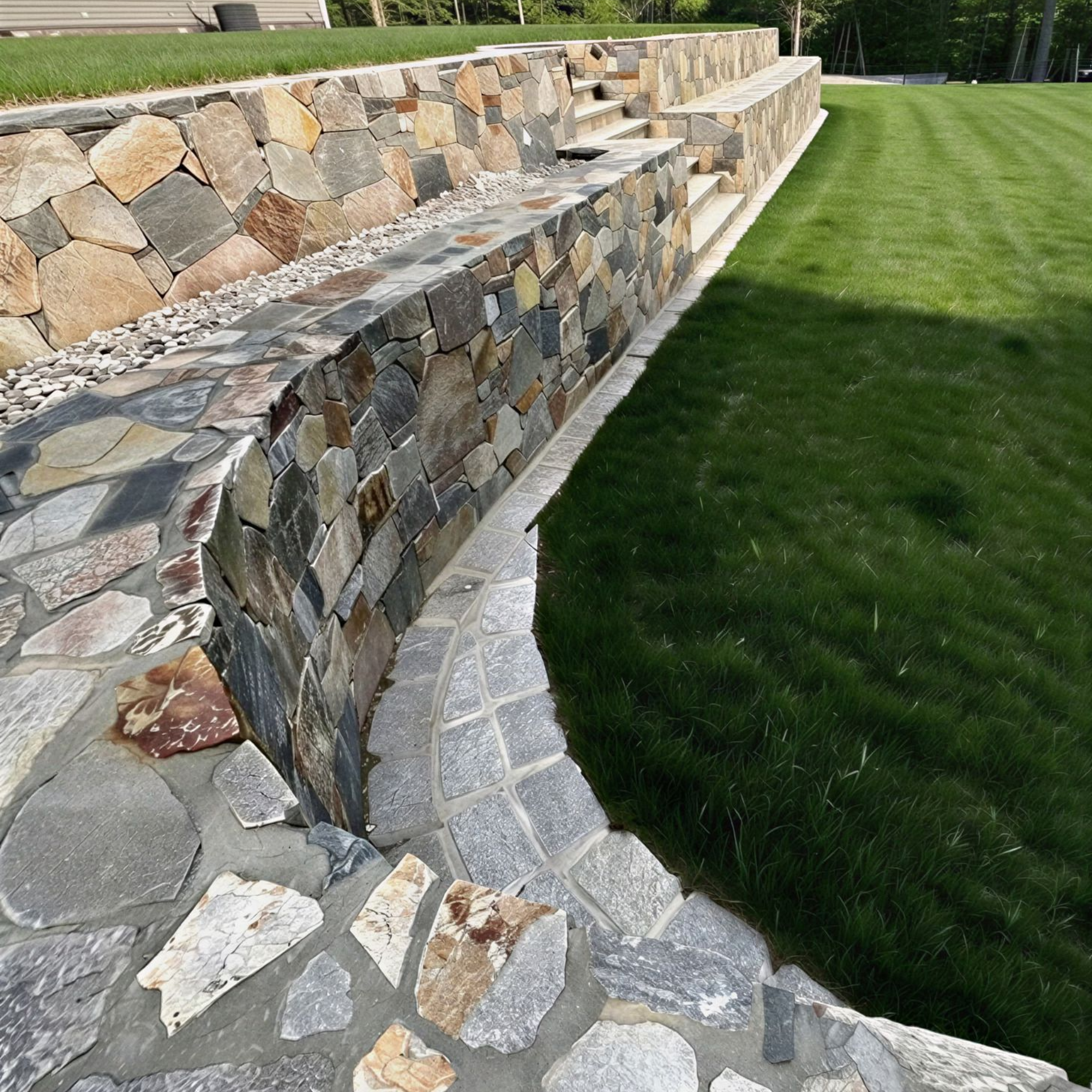
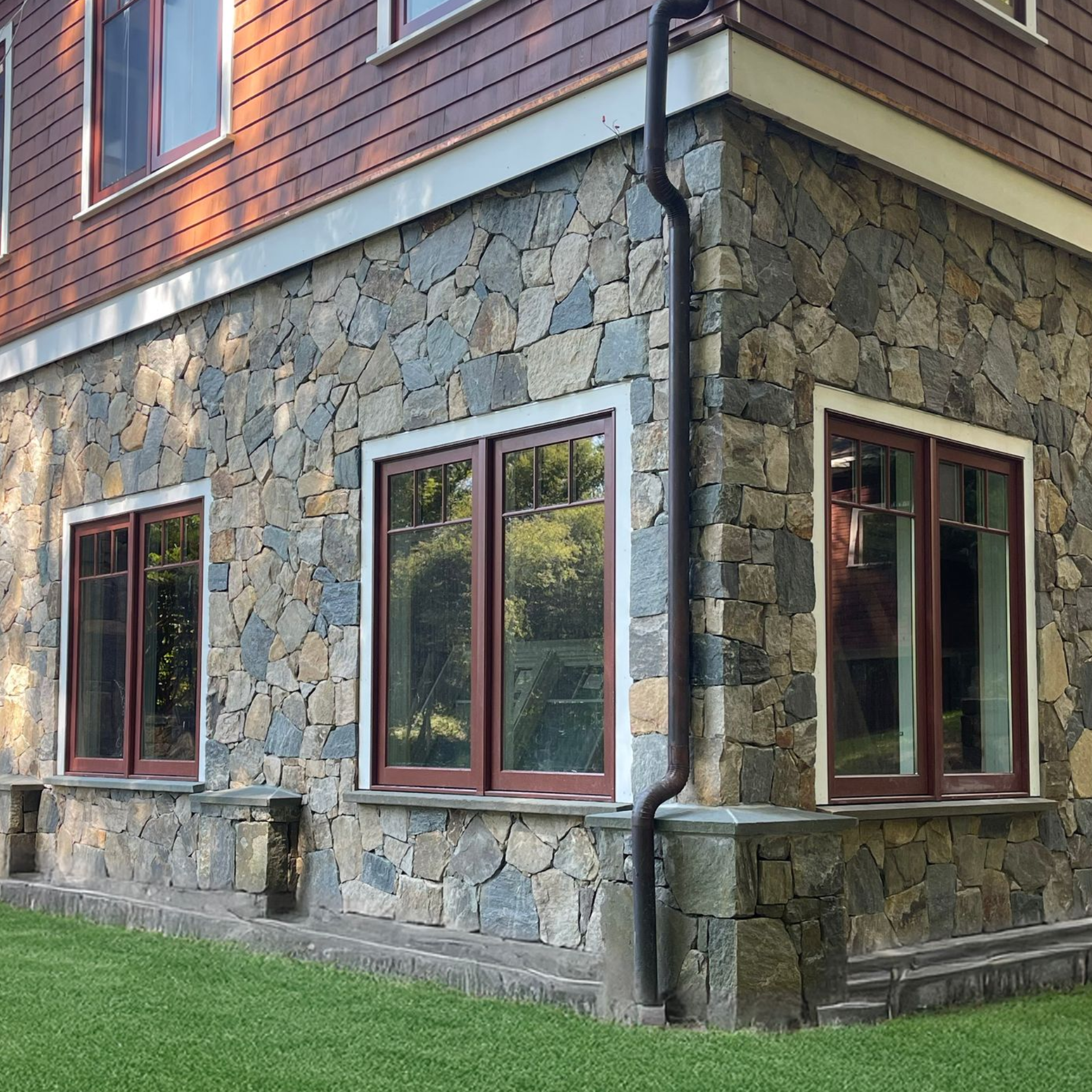
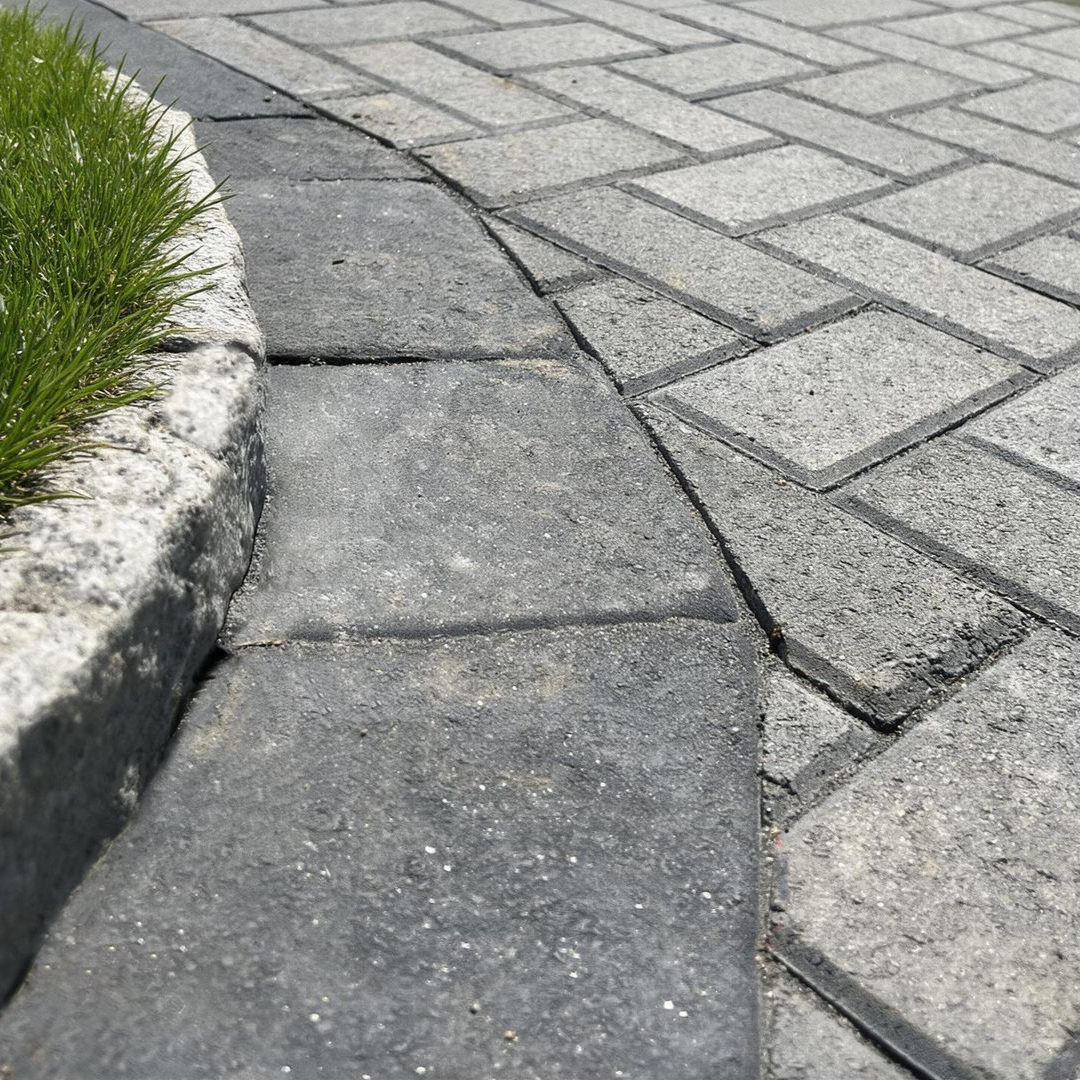
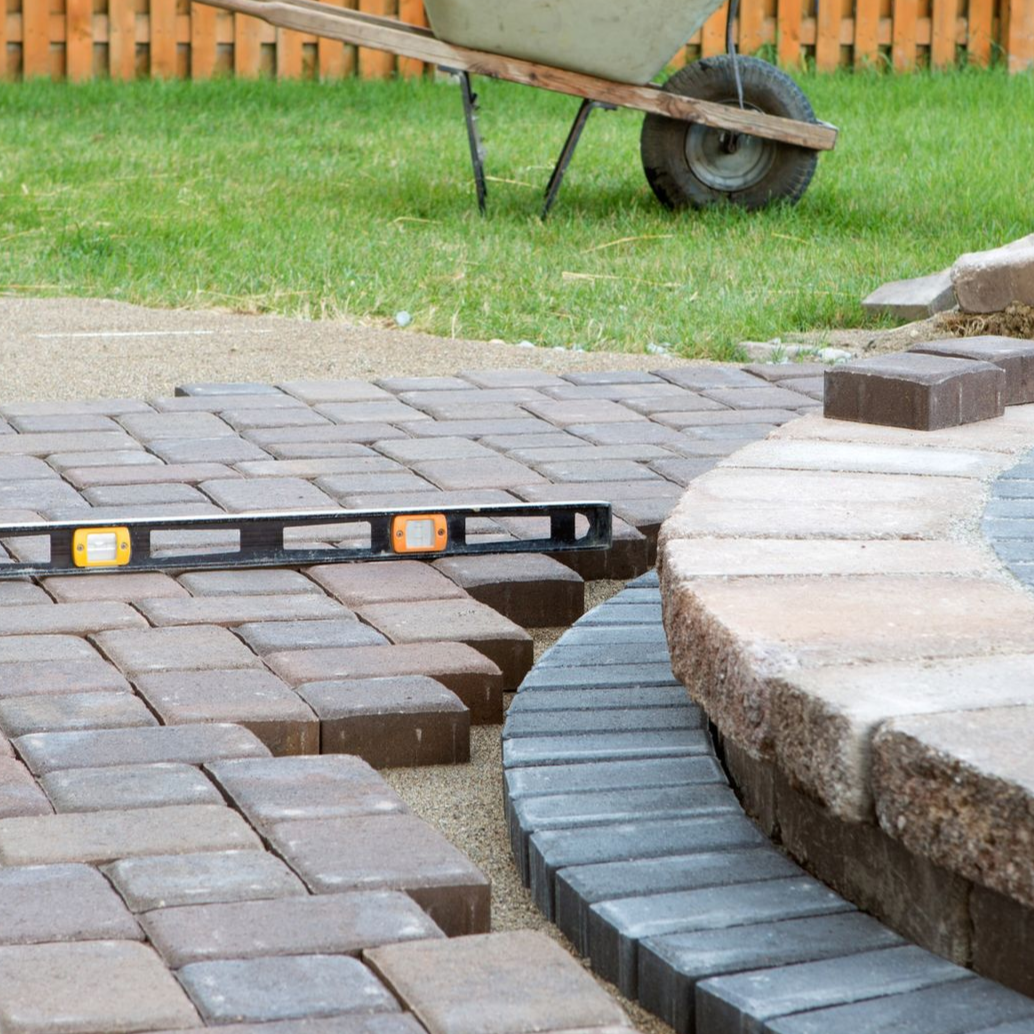
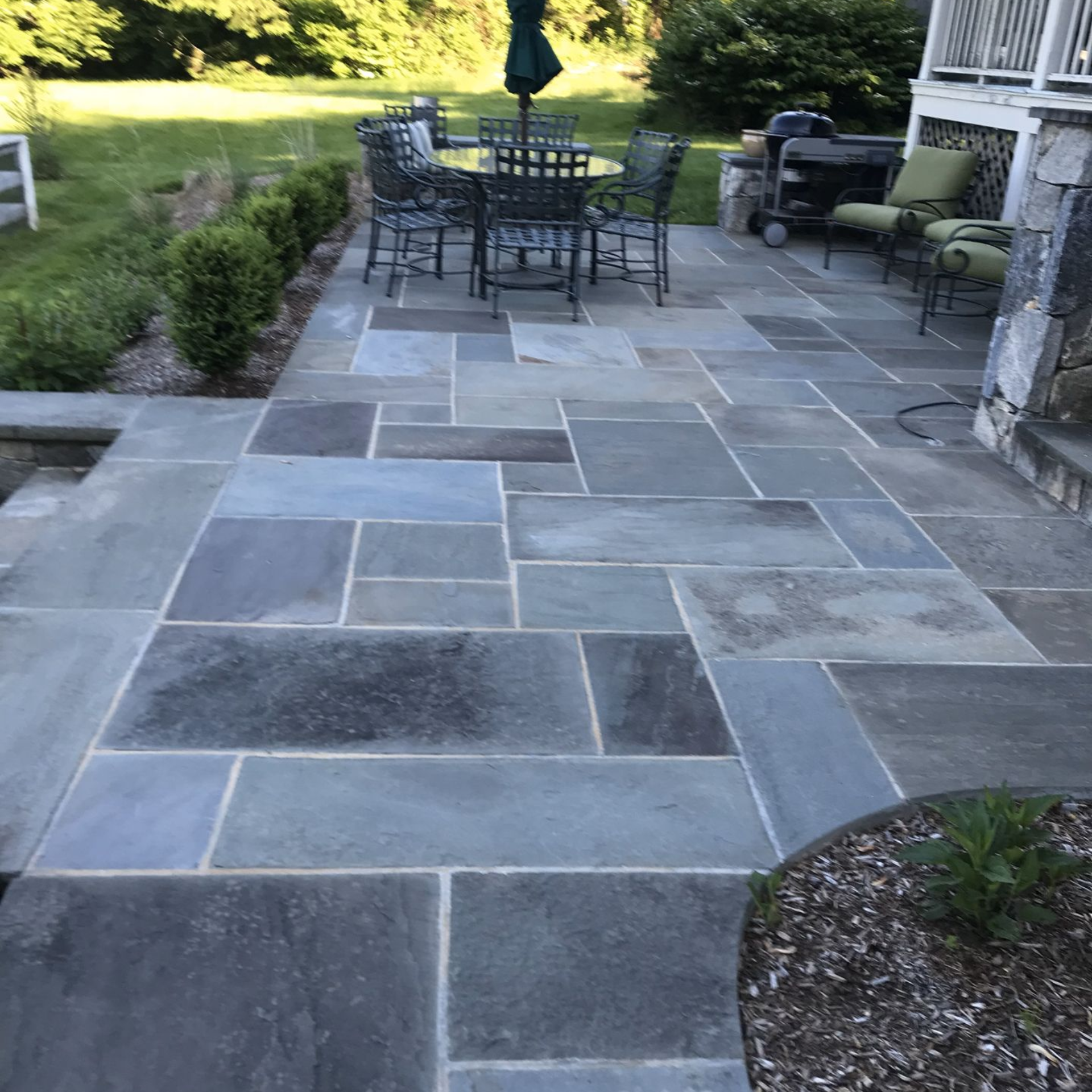
If you love the look of natural stone, there are options built for New England weather. A natural stone patio in bluestone, flagstone, or fieldstone gives you character and durability. Manufactured pavers are another strong choice for a paver patio or paver pool deck. For a deeper comparison, see our guide to natural stone vs. paver patios.
Frequently Asked Questions About Travertine Patios
Is travertine good for outdoor patios in Connecticut?
In most cases, no. Travertine is a very porous stone full of small holes, and in Connecticut's climate, water gets into those holes, freezes, and can break the stone apart over time. It can work outdoors only if you buy the highest-grade, most expensive stock. For most homeowners, natural stone like bluestone or fieldstone, or quality pavers, are better long-term choices.
Why does travertine crack in the winter?
Travertine cracks in winter because water soaks into its natural pores and holes, then freezes and expands inside the stone. Each freeze-thaw cycle adds pressure, and as more water seeps in with every thaw, the damage builds. Over several winters, that pressure can cause cracking, flaking, and pieces breaking away from the surface, especially in lower-grade travertine with more voids.
Does sealing travertine make it safe for outdoor use?
Sealing may help reduce how much water gets into travertine, but it doesn't change the fact that the stone is naturally porous and full of holes. In a climate with repeated freezing and thawing, the stone's structure is still the weak point. General Masonry recommends choosing a material that's naturally suited to Connecticut winters rather than relying on sealer to protect a vulnerable stone.
Why does General Masonry rarely use travertine?
General Masonry rarely uses travertine outdoors because it isn't a good match for Connecticut's freeze-thaw climate. Only the highest-grade, most expensive travertine holds up, and other materials offer better durability for the investment. We'd rather recommend a stone or paver that will look great for decades than install something that may start breaking down after a few winters.
What stone is best for a patio in Connecticut?
Natural stones like bluestone, flagstone, and fieldstone are excellent choices for Connecticut patios, offering durability and a classic New England look. Quality manufactured pavers are also a strong option, especially for pool decks and modern designs. Whatever you choose, the stone should be installed on a properly excavated, compacted base with good drainage so it holds up through winter.
Want a patio that's built for Connecticut winters? General Masonry is a second-generation, family-owned masonry contractor serving Western Connecticut for nearly 20 years. Call (203) 757-5590 or request a free estimate to talk through the right material for your project.