Why Masonry Projects Can Grow Once the Digging Starts
Why Masonry Projects Can Grow Once the Digging Starts
Every homeowner wants to know exactly what a project will involve before it starts, and we understand why. But masonry is one of those trades where some of the most important work happens underground or behind existing structures, places no one can see until demolition begins. We'd rather be upfront about how construction really works than surprise you halfway through. Here's what can change a project's scope, and why.
What You Can't See Until Demo Begins
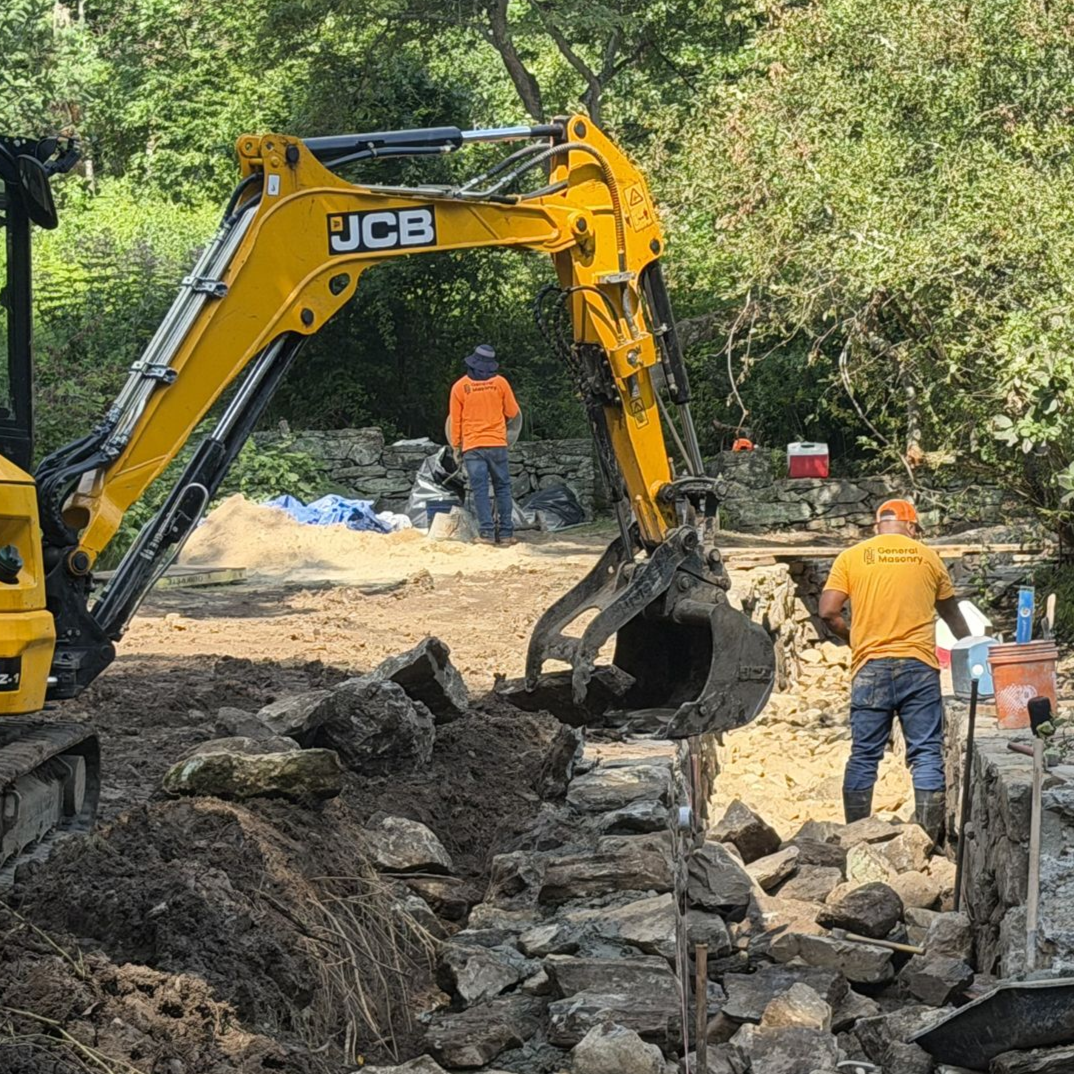
An estimate is based on what's visible during a site visit. Once the old patio, walkway, steps, or wall come out, we see what's actually underneath, and sometimes that changes what the job needs to last.
The Most Common Surprises Underground
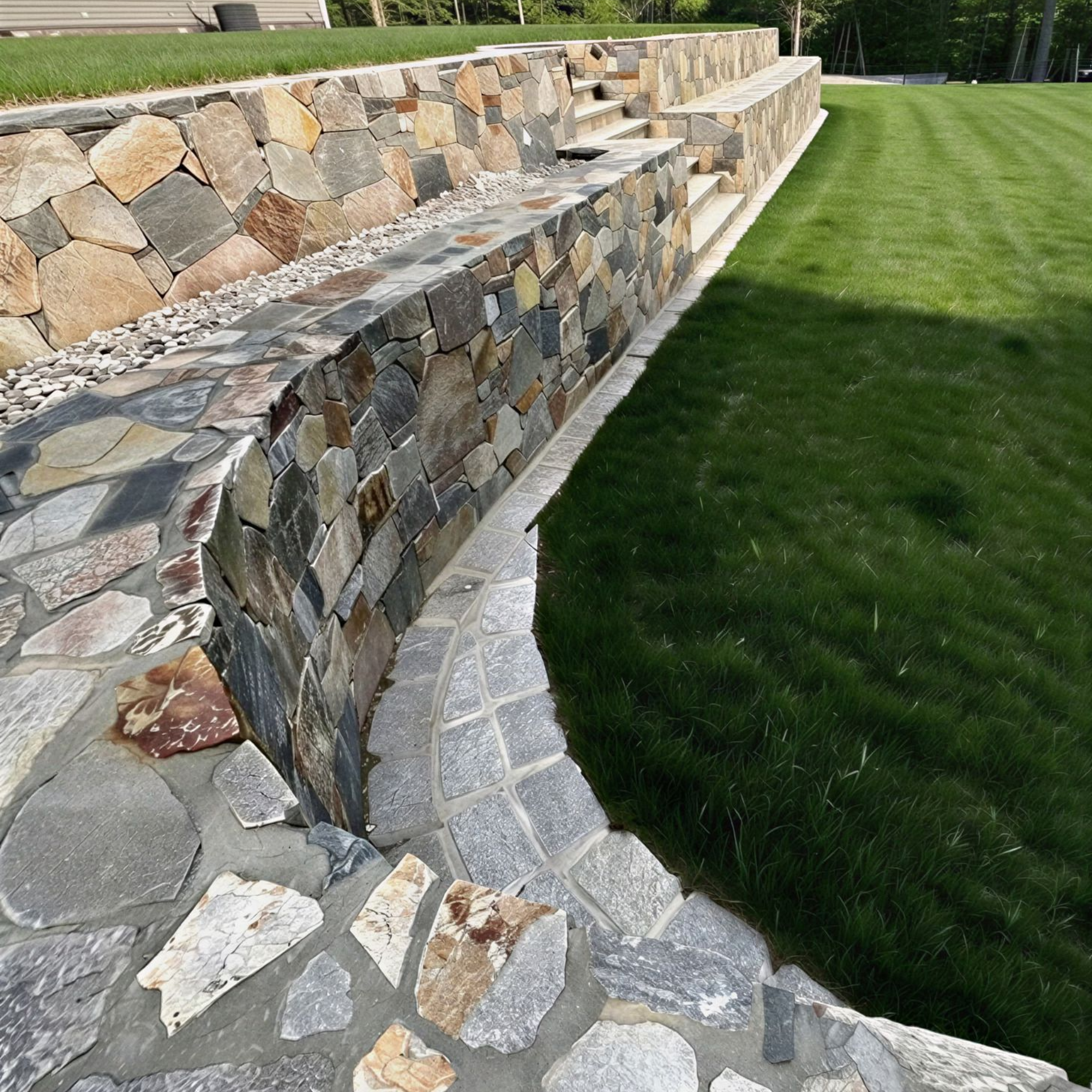
The issues we find most often are drainage or pipe problems that weren't visible from the surface, soil conditions that mean we need to dig deeper for a stable base, wall sections that need to be taller than expected to hold the grade, and more shrubs or roots to remove than anyone could see at first. None of these are signs something went wrong. They're simply what the ground reveals once it's opened up, and addressing them is what keeps a new patio or retaining wall from failing a few winters later.
A Smell, a Set of Steps, and a Hidden Problem
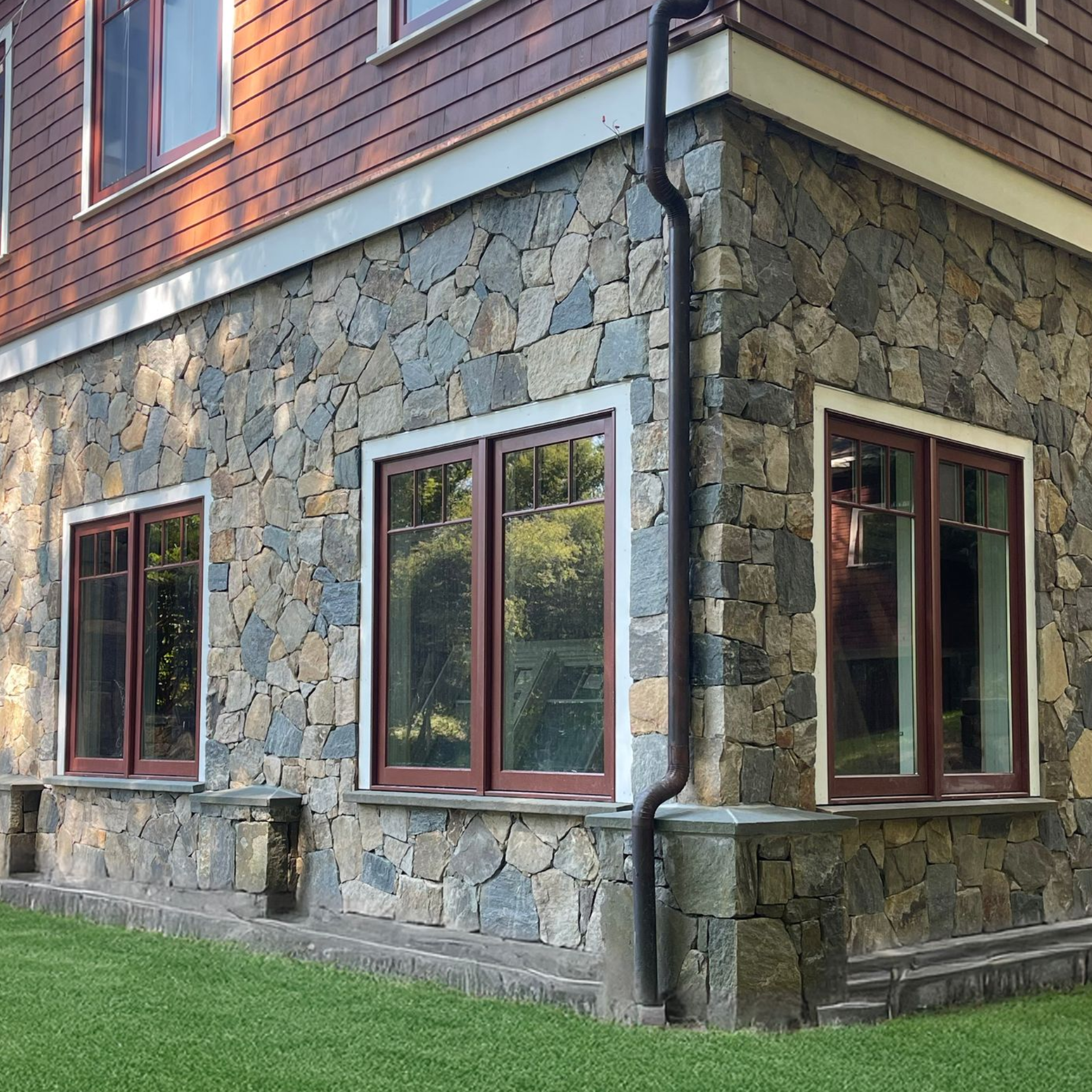
One of our favorite examples involves our founder. A client called about a smell near their front entry. He removed the front steps to find the source and discovered failed flashing between the siding and the foundation. Water had been getting in behind it and causing rot. No estimate could have predicted that, because it was hidden behind the steps the whole time. But finding it meant the homeowner could deal with the real problem instead of just covering it back up.
Why Fixing It Now Is Worth It
When hidden problems turn up, it can be tempting to build right over them and keep the original plan. But issues like poor drainage or a shallow base are exactly what cause patios and walls to crack down the road. Taking care of them during construction, when everything is already open, is almost always easier than coming back later. That's the thinking behind our approach to excavation, drainage, and site prep.
Building a little flexibility into your plans makes the whole process less stressful. And working with a contractor who explains what they find, and why it matters, makes all the difference. You can learn more about our family and how we work on our About page.
Frequently Asked Questions About Project Changes
Why would a masonry project change after it starts?
A masonry project can change after it starts because some conditions are only visible once demolition begins. Removing an old patio, walkway, steps, or wall can reveal drainage or pipe issues, soil that requires digging deeper, or the need for taller wall sections. These discoveries aren't mistakes. They're part of how construction works, and addressing them helps the finished project last.
What problems are commonly found during demolition?
The most common problems found during demolition include hidden drainage or pipe issues, soil conditions that need a deeper base, grades that require taller retaining wall sections, and more shrubs or roots to remove than expected. Occasionally, demo uncovers damage to the home itself, such as failed flashing between siding and a foundation that has allowed water to cause rot.
Can a contractor predict every issue before starting?
No contractor can predict every issue before starting, because some problems are underground or hidden behind existing structures. A thorough site visit catches a lot, but the full picture often appears only once old materials are removed. What matters is that your contractor explains what they find, why it matters, and how it affects the work before moving forward.
Should I fix hidden problems or build over them?
In most cases, it's better to fix hidden problems while everything is already open. Building over poor drainage, a weak base, or water damage usually means the same issue returns later, often after the new patio, steps, or wall has been damaged. Fixing it during construction is typically easier and less disruptive than tearing out finished work to address it down the road.
How can I plan for unexpected project changes?
The best way to plan for unexpected changes is to build some flexibility into your budget and timeline from the start. Ask your contractor what conditions they'll be watching for once demo begins, and how they'll communicate if something turns up. Knowing that changes are possible, and why, makes the process far less stressful if the ground reveals something new.
Want a contractor who tells you what's really going on? General Masonry is a second-generation, family-owned masonry contractor serving Western Connecticut for nearly 20 years. Call (203) 757-5590 or request a free estimate to start planning your project.