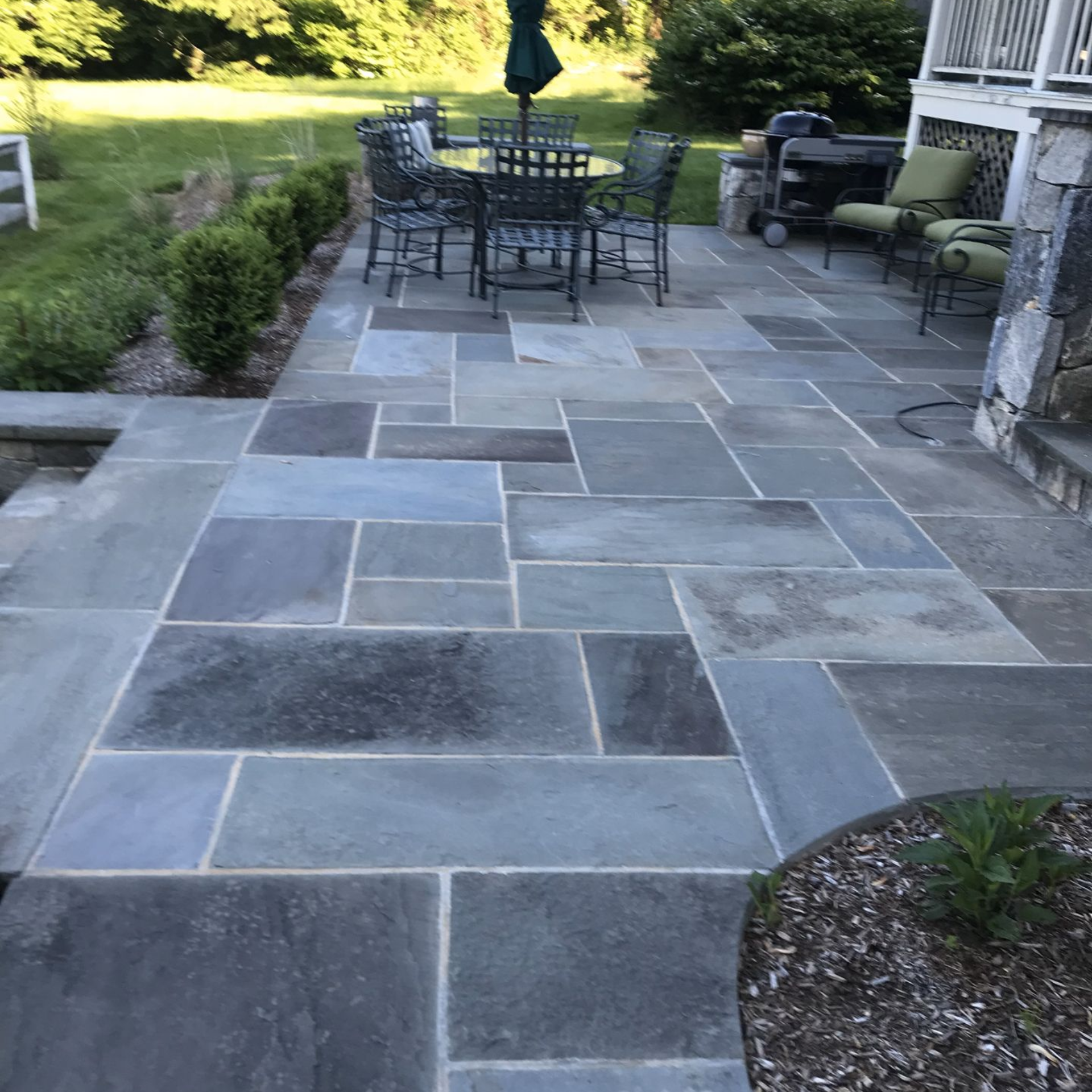
Freeze-Thaw in Connecticut: Why Patios and Walls Crack
Freeze-Thaw in Connecticut: Why Patios and Walls Crack
If you've lived in Connecticut for a few winters, you've probably seen it: a patio that slowly creeps out of level, a retaining wall that starts to lean or break, or a neighbor's wall that seems to fail a little more every spring. These are the most common masonry problems we see across the state, and almost all of them trace back to one thing: the freeze-thaw cycle, and what's happening below the surface when it hits.
What the Freeze-Thaw Cycle Does to Masonry
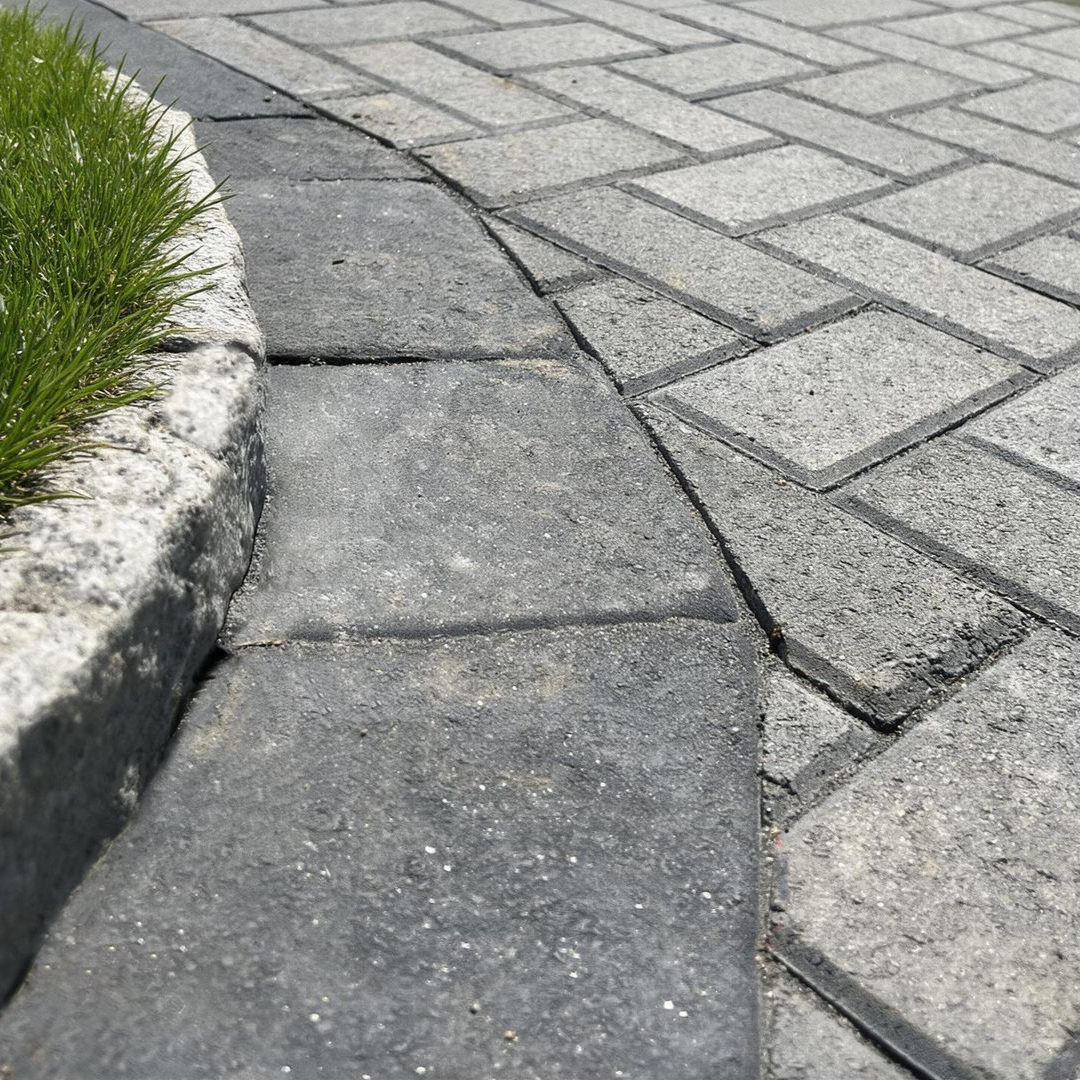
Water expands when it freezes. When rain or snowmelt soaks into the soil under a patio or behind a wall, then freezes overnight, it pushes the ground upward and outward. When it thaws, the ground settles back, but rarely in exactly the same place. Connecticut winters bring that cycle again and again, and every round shifts the soil a little more. Over time, that movement shows up as creeping pavers, cracked joints, and walls that bulge or break.
Why Some Patios Creep and Others Don't
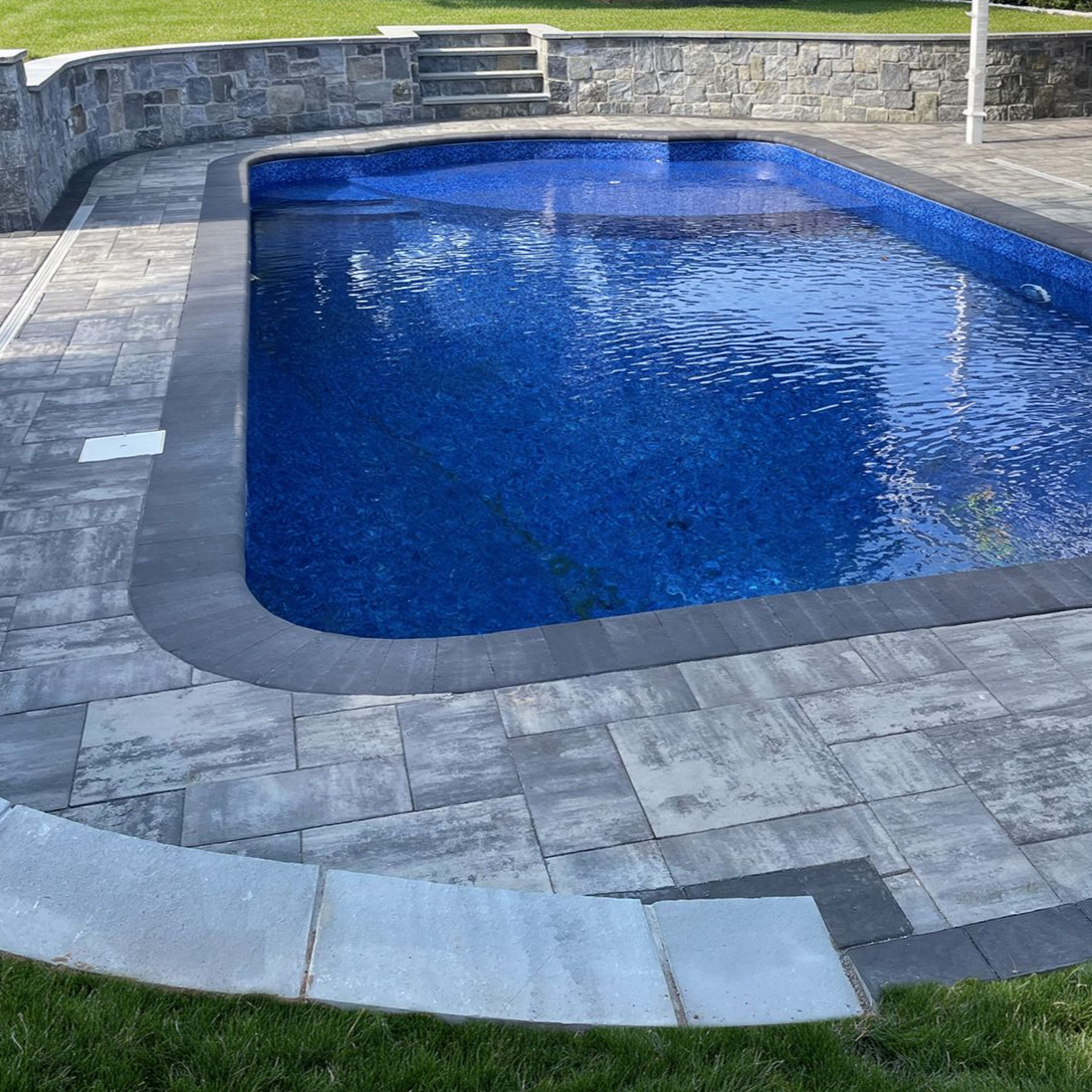
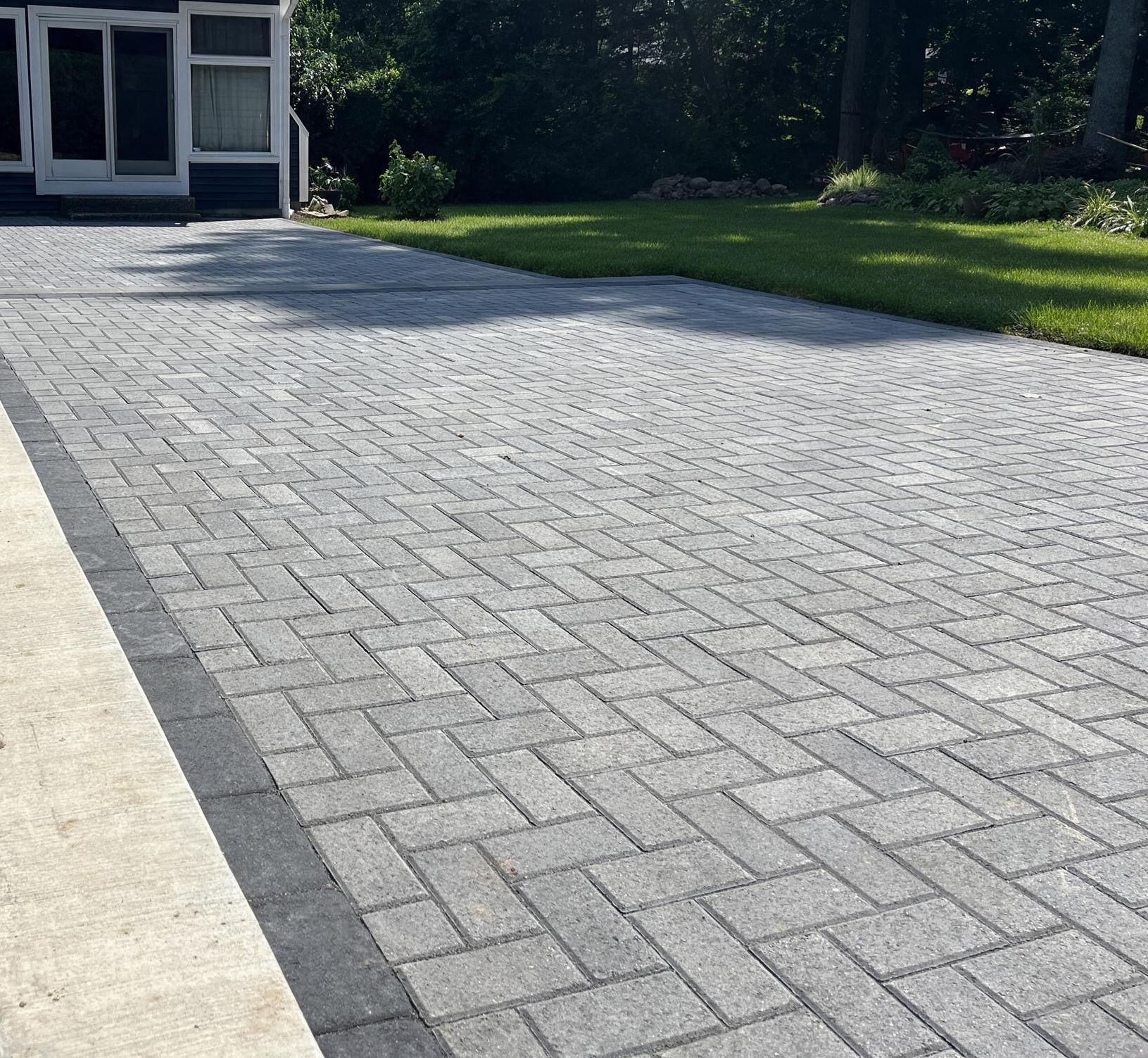
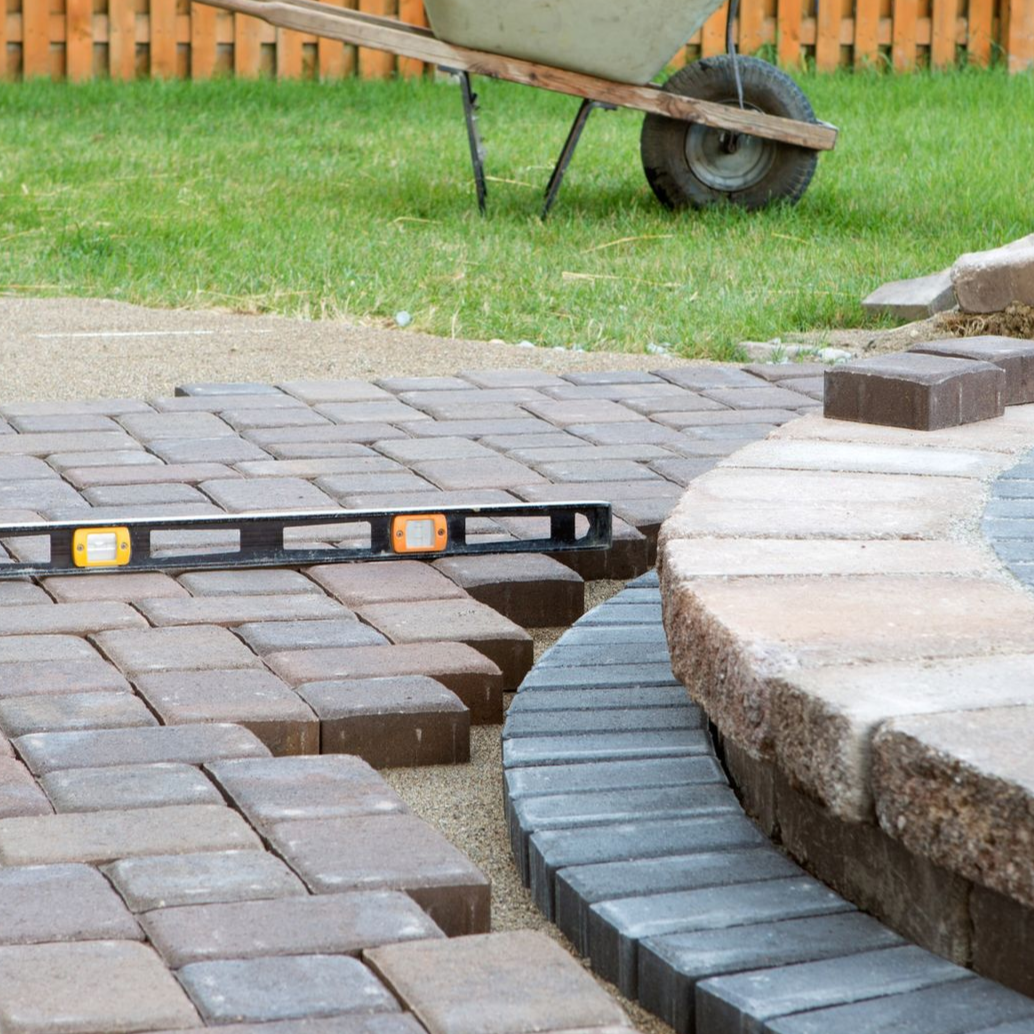
Two patios can sit through the same winter and come out very differently. The difference is usually what's underneath. A patio laid on a shallow or poorly compacted base sits on soil that holds water, so it moves every time that water freezes. A patio built on a properly excavated, compacted gravel base drains water away and gives the surface a stable footing. That's why we put so much time into excavation and base preparation before a single paver or stone goes down.
Why Retaining Walls Break
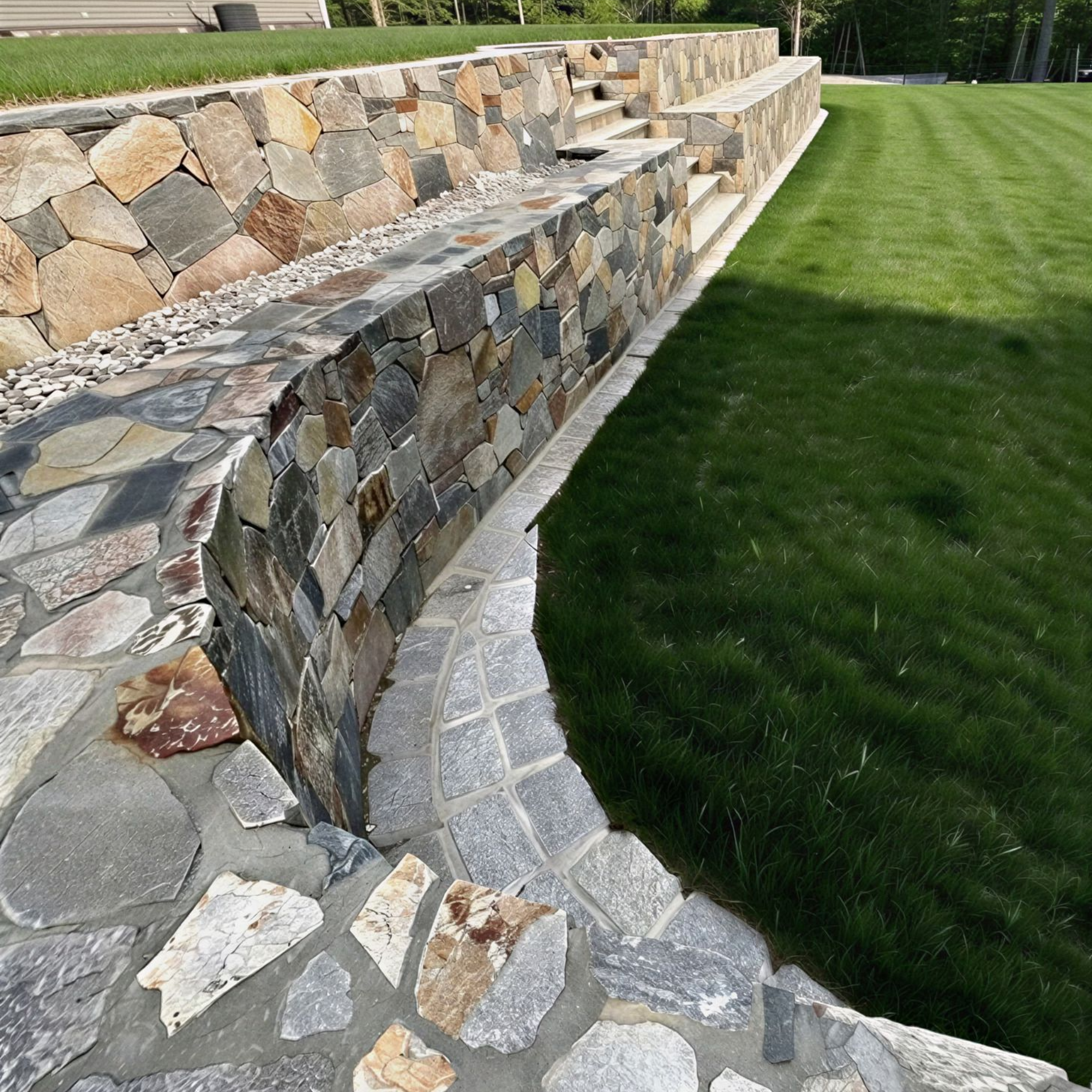
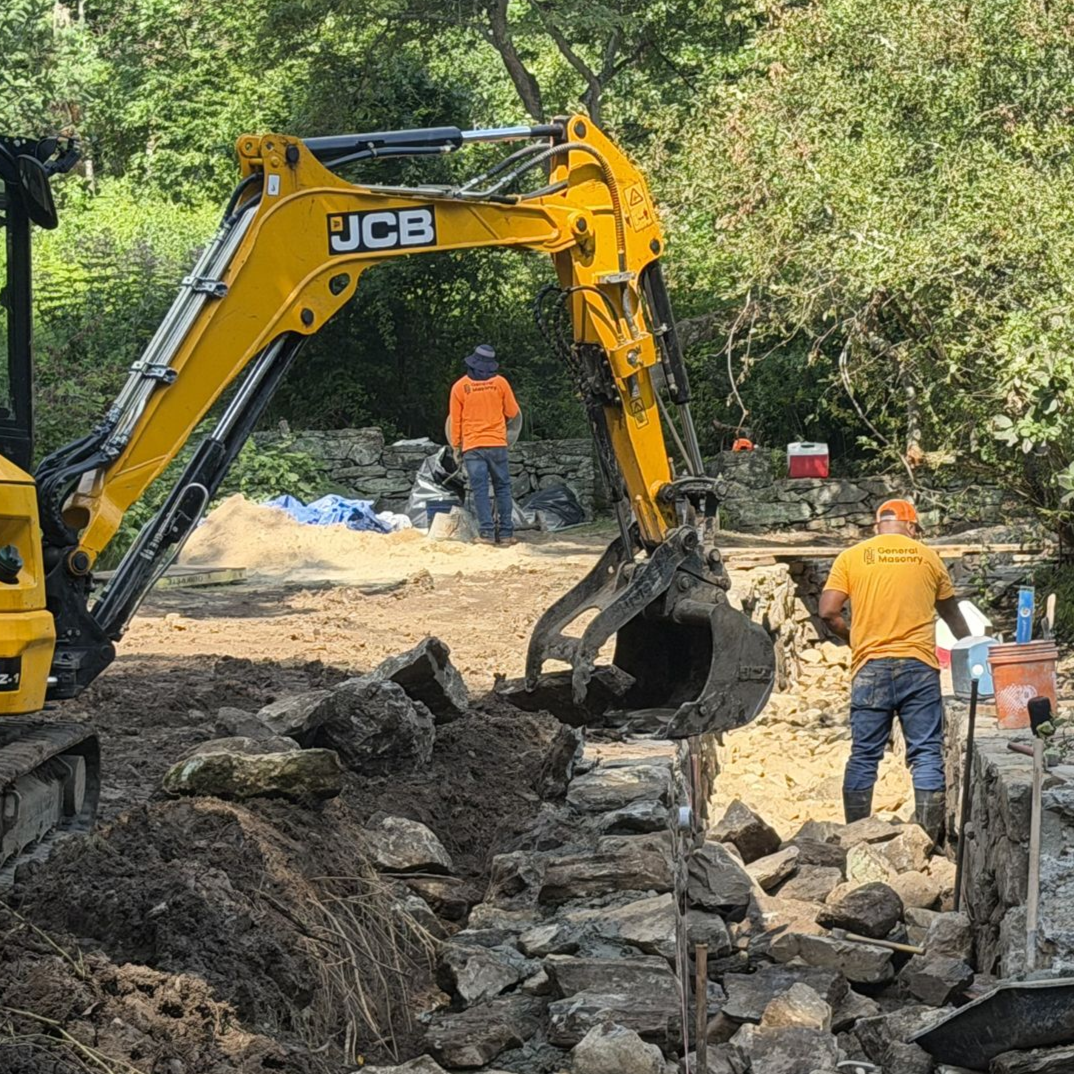
Retaining walls face the same problem, plus the weight of the soil they hold back. When water collects behind a wall and freezes, it adds pressure the wall was never built to handle. That's why so many older walls across the state are leaning or crumbling. On our walls, the base trench runs about 18 inches wide and 6 to 8 inches deep, packed with gravel before the wall goes up, so water has somewhere to go. Our guide on how we build a retaining wall walks through the full process.
Base Depth Is the Fix, Not the Surface
When a patio or wall cracks, it's tempting to patch what you can see. But if the base and drainage underneath are the problem, the crack comes back. Good masonry repair corrects the cause first. And when you build new, proper base depth is the single biggest factor in how long a paver patio, stone patio, or retaining wall will last. You can read more in our post on paver patio lifespan in Connecticut.
Frequently Asked Questions About Freeze-Thaw Damage
Why does my patio keep shifting every winter?
A patio that shifts every winter is usually sitting on a base that holds water. When that water freezes, it expands and pushes the patio upward; when it thaws, the soil settles unevenly. A shallow or poorly compacted base makes this worse each season. The long-term fix is correcting the base and drainage underneath, not just resetting the pavers or stones on the surface.
What causes retaining walls to crack or lean in Connecticut?
Most retaining walls crack or lean because water builds up behind them and freezes, adding pressure on top of the weight of the soil. Without a gravel base and a path for water to drain, that pressure increases every winter. Over several freeze-thaw cycles, the wall begins to bulge, lean, or break. That's why so many older walls in Connecticut show the same kind of failure.
How deep should a patio base be in Connecticut?
The right base depth depends on your soil, drainage, and what's being built, so there isn't one number for every yard. What matters is excavating deep enough and compacting a gravel base in layers so water drains away instead of freezing under the surface. General Masonry assesses each site before setting base depth, because cutting corners here is the most common reason patios fail early.
Can a cracked patio or wall be repaired instead of replaced?
Often, yes. If the base and drainage are still sound, the damaged section can usually be reset or rebuilt to match. If freeze-thaw damage comes from a failed base, a partial or full rebuild is typically the more durable option. An on-site assessment will show whether a targeted repair will hold or whether the problem underneath needs to be fixed first..
Are natural stone and pavers both affected by freeze-thaw?
Yes. Both natural stone and manufactured pavers can shift or crack if they're installed on a weak base. The material matters less than what's underneath it. When either is built on a properly excavated, compacted base with good drainage, it can hold up well through Connecticut winters. The base and drainage are what protect the surface from freeze-thaw movement.
Seeing cracks, creeping pavers, or a leaning wall? General Masonry is a second-generation, family-owned masonry contractor serving Western Connecticut for nearly 20 years. Call (203) 757-5590 or request a free estimate to find out what's happening below the surface.