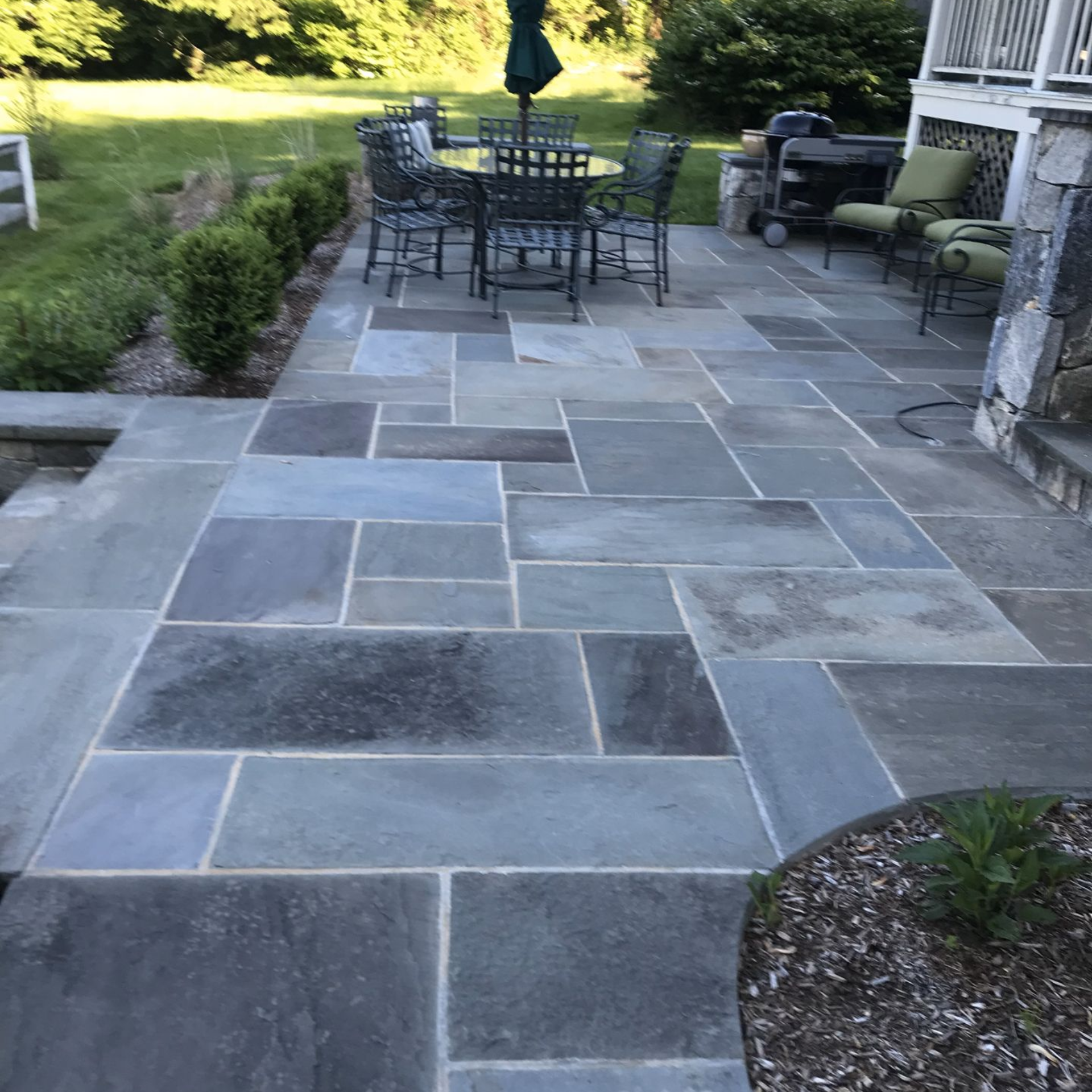
Winter Care for Patios and Walkways: Shoveling and Salt
Winter Care for Patios and Walkways: Shoveling and Salt
Connecticut winters are hard on outdoor surfaces, and the way you clear snow and ice can make a real difference in how your patio and walkway look come spring. The good news is that winter care doesn't have to be complicated. A little care with the shovel, some attention to salt, and knowing when to simply leave things alone will go a long way. Here's what we tell our clients.
How to Shovel Without Damaging Your Patio
Shoveling is fine for most masonry surfaces, but how you shovel matters. Natural stone and manufactured pavers react differently to a shovel blade, so it helps to know what you're working with before the first storm.
Natural Stone: Shovel, Just Don't Be Aggressive
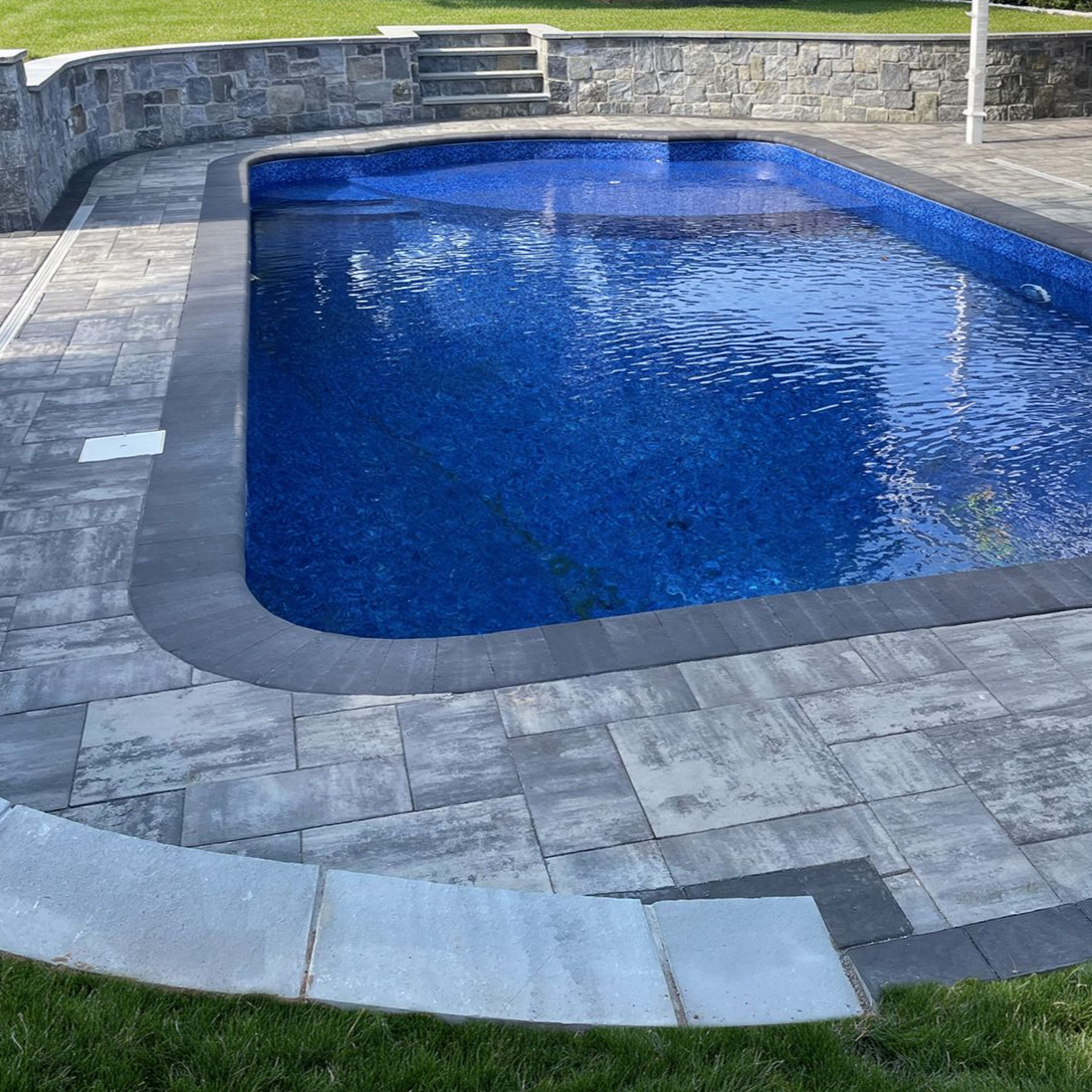
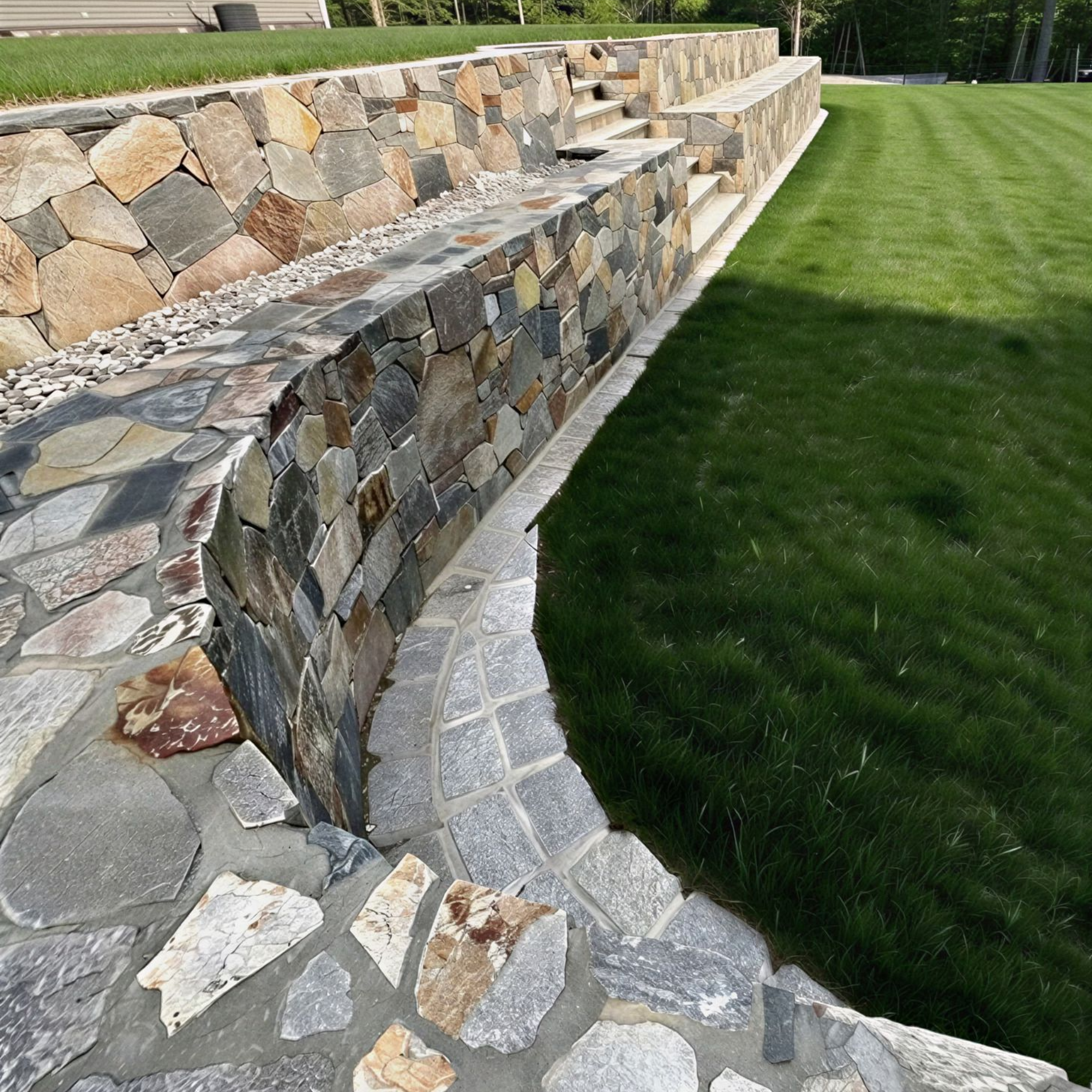
You can shovel a natural stone patio or walkway. The key is a steady, gentle push rather than chopping or scraping hard at the surface. Natural stone is tough, but forcing a blade into uneven edges or hacking at ice can chip stone and loosen joints over time. Clear the snow, let the rest go, and you'll protect the surface for years.
Pavers: Take Extra Care
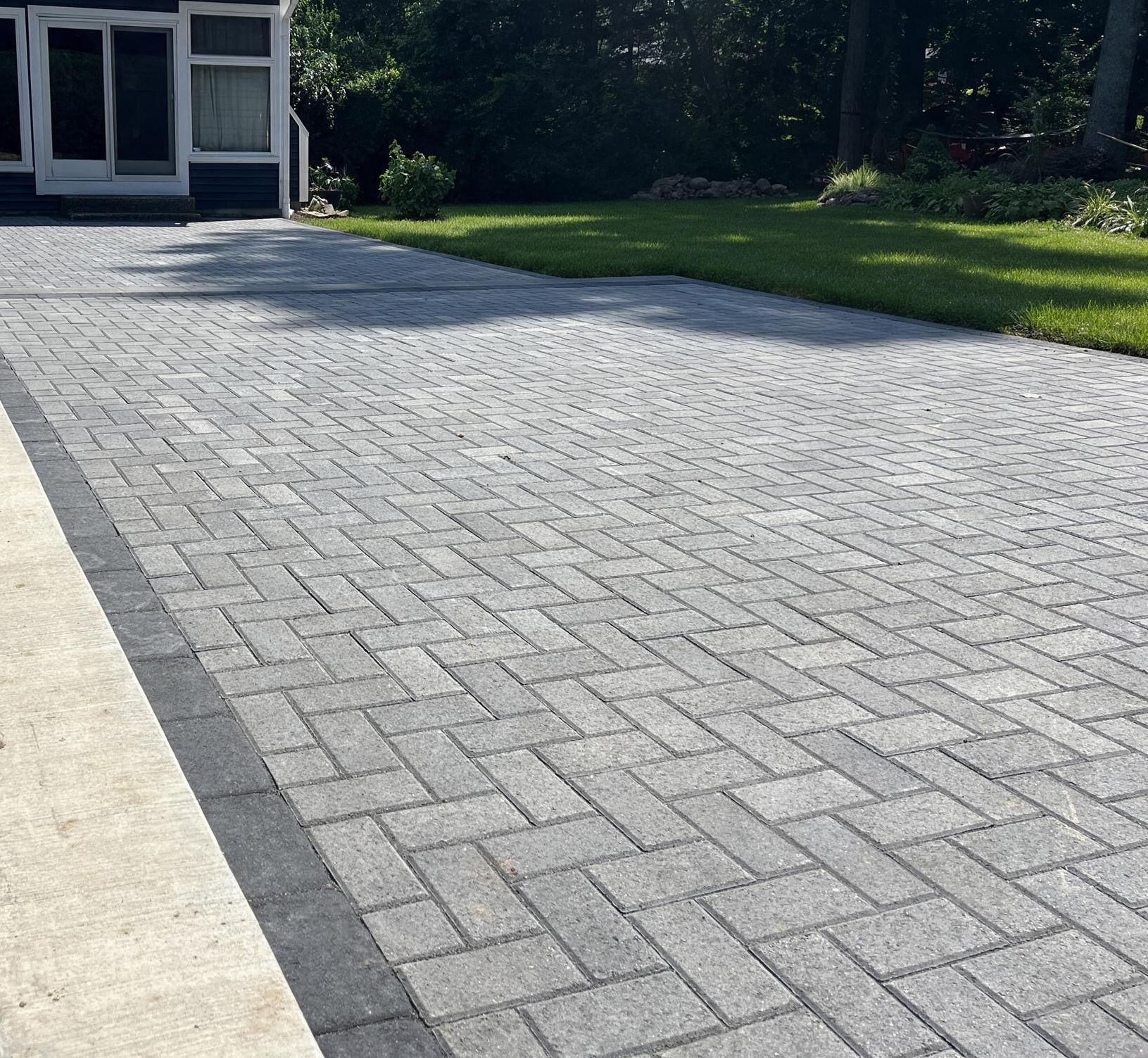
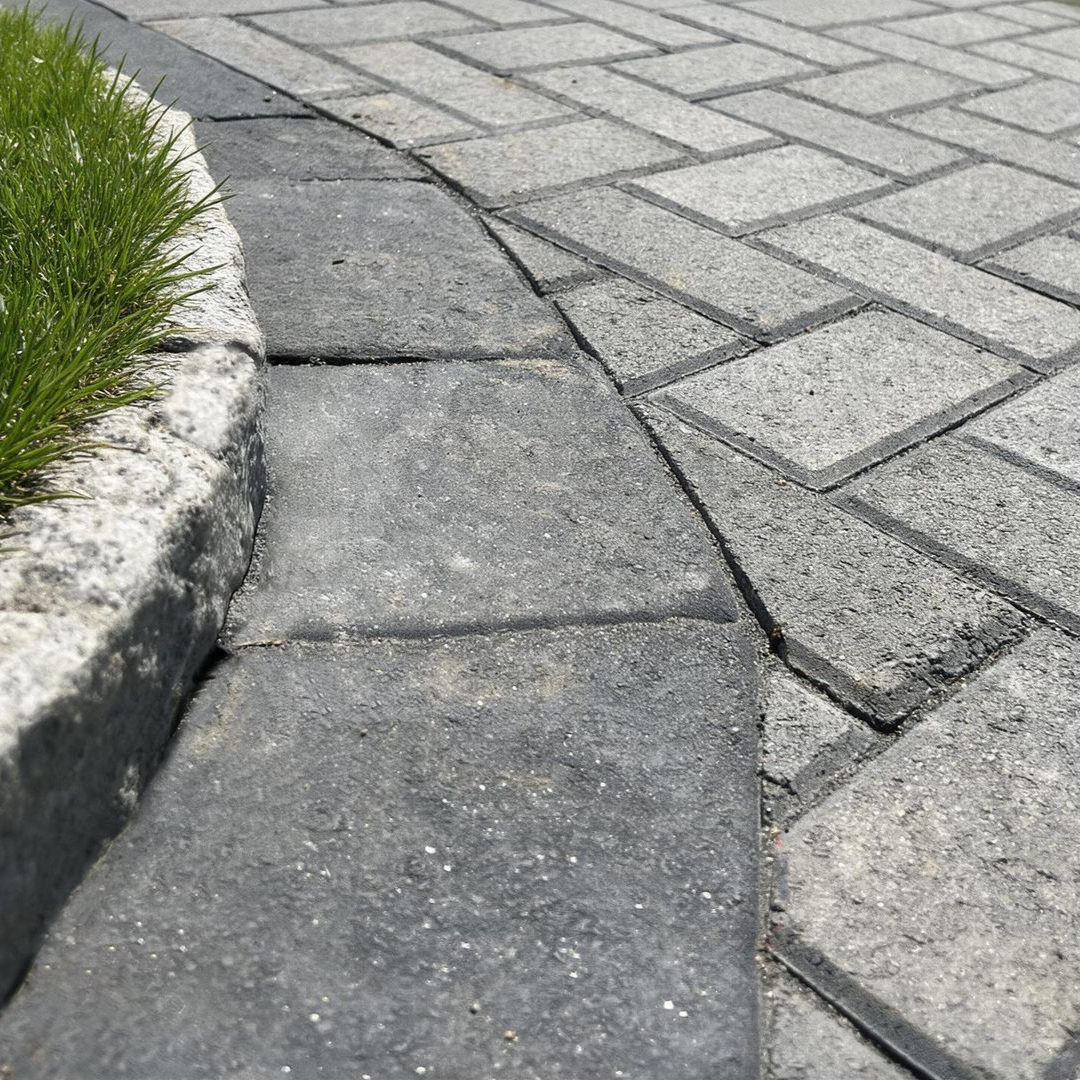
Pavers need more care than natural stone because they're easier to damage. A shovel blade can catch the edge of a paver and chip it, and heavy scraping can work joint sand loose. Push snow in the same direction the pavers run where you can, keep the blade level, and avoid digging into the surface. A little patience protects your paver patio or paver walkway from avoidable wear.
Salt, Discoloration, and Staying Off the Patio
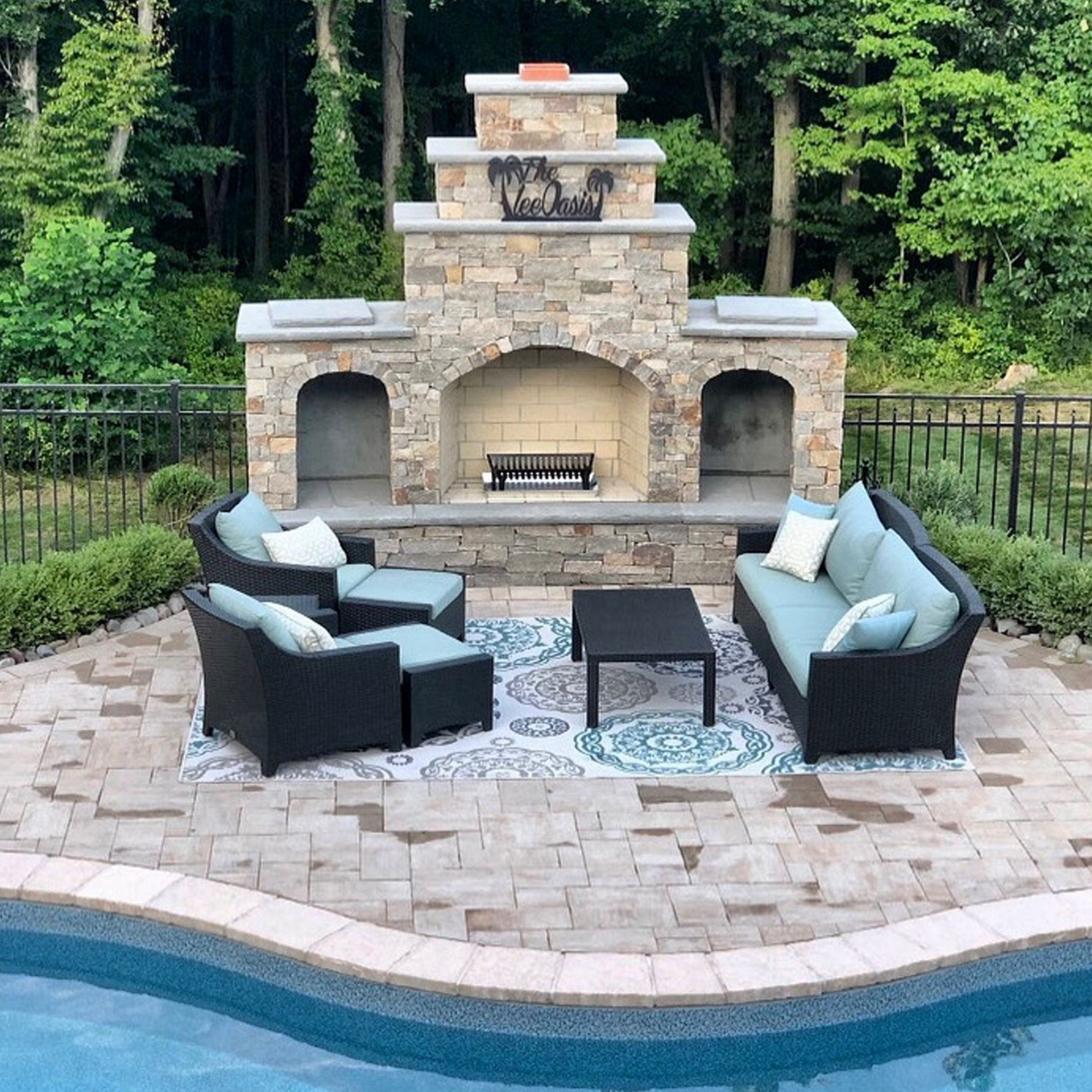
Salt is okay to use on masonry, but don't let it sit too long. Salt left on the surface for extended periods can discolor stone and pavers, so sweep up leftover salt once the ice is gone and give the surface a rinse when temperatures allow. And here's the simplest option of all: if you don't need your patio in winter, just stay off it. Many homeowners let the backyard patio rest until spring and only clear the walkways they use every day.
When spring arrives, our guides on how to clean pavers and why patios crack in Connecticut can help you check for winter wear. If something shifted or chipped, our masonry repair team can help.
Frequently Asked Questions About Winter Patio Care
Can I shovel a natural stone patio?
Yes, you can shovel a natural stone patio, as long as you're not aggressive about it. Use a steady, gentle push to clear snow instead of chopping or scraping hard at the surface. Forcing a shovel blade into uneven stone edges or hacking at ice can chip the stone and loosen joints over time. Clearing the bulk of the snow and leaving the rest is usually the safest approach.
Are pavers easy to damage when shoveling?
Pavers are easier to damage than natural stone, so they need a little more care. A shovel blade can catch a paver's edge and chip it, and heavy scraping can loosen the sand in the joints. Keep the blade level, push snow along the direction the pavers run where possible, and avoid digging into the surface. Gentle, consistent shoveling keeps pavers looking their best.
Is it okay to use salt on pavers and stone?
Yes, salt is okay to use on pavers and natural stone, but it shouldn't sit on the surface too long. Salt left behind for extended periods can discolor masonry. Once the ice has melted, sweep up any leftover salt and rinse the surface when the weather allows. Using only as much salt as you need also helps limit buildup over the winter.
Should I just stay off my patio in the winter?
If you don't need your patio in the winter, staying off it is the easiest way to protect it. Many Connecticut homeowners let their backyard patio rest under the snow until spring and only clear the walkways and steps they use daily. That means less shoveling, less salt, and less chance of chipping or discoloration. You can always give it a good cleaning once warmer weather arrives.
What should I check on my patio after winter?
After winter, look for chipped pavers or stones, loose or missing joint sand, discoloration from salt, and any areas that have shifted or settled. Small issues like joint sand can be touched up easily, while movement or cracking may point to a base or drainage problem. If you notice shifting, it's worth having a professional take a look before it gets worse.
Want a patio or walkway built to handle Connecticut winters? General Masonry is a second-generation, family-owned masonry contractor serving Western Connecticut for nearly 20 years. Call (203) 757-5590 or request a free estimate to get started.