Refacing Front Steps with Stone Veneer and Bluestone: Repair vs. Replace in Connecticut
Refacing Front Steps with Stone Veneer and Bluestone: Repair vs. Replace in Connecticut
Front steps take more abuse than almost any other masonry on a Connecticut home. They sit in the weather, get shoveled and salted all winter, and carry every guest to your door. When the concrete starts to crack, flake, or look tired, homeowners in Waterbury, Naugatuck, and across Western Connecticut often ask the same question: can the steps be refaced with stone veneer and bluestone, or do they need to be torn out and rebuilt?
How Freeze-Thaw Damages Front Steps in Connecticut
Water soaks into small cracks and pores in concrete. When it freezes, it expands by roughly 9 percent and pushes those cracks wider. Repeated through many freeze-thaw cycles each winter, that pressure causes spalling (flaking surfaces), crumbling edges, and loose treads. Deicing salt speeds up the damage. You can read more in our post on freeze-thaw in Connecticut and why masonry cracks.
Refacing vs. Replacing: How to Decide
Refacing covers the existing steps with natural stone veneer on the risers and sides, topped with new bluestone treads. It works when the concrete core is structurally sound: the steps are not sinking, tilting, or pulling away from the house, and the cracks are cosmetic rather than structural. Because the existing structure stays in place, refacing usually costs less than a full rebuild.
Replacement is the better choice when steps have settled, slope water toward the foundation, show large structural cracks, or sit on a base that has washed out. Covering a failing structure with stone only hides the problem until the new finish cracks with it. Our masonry repair process checks the core first, so you only pay for the work your steps actually need.
Before and After: What Refacing Changes
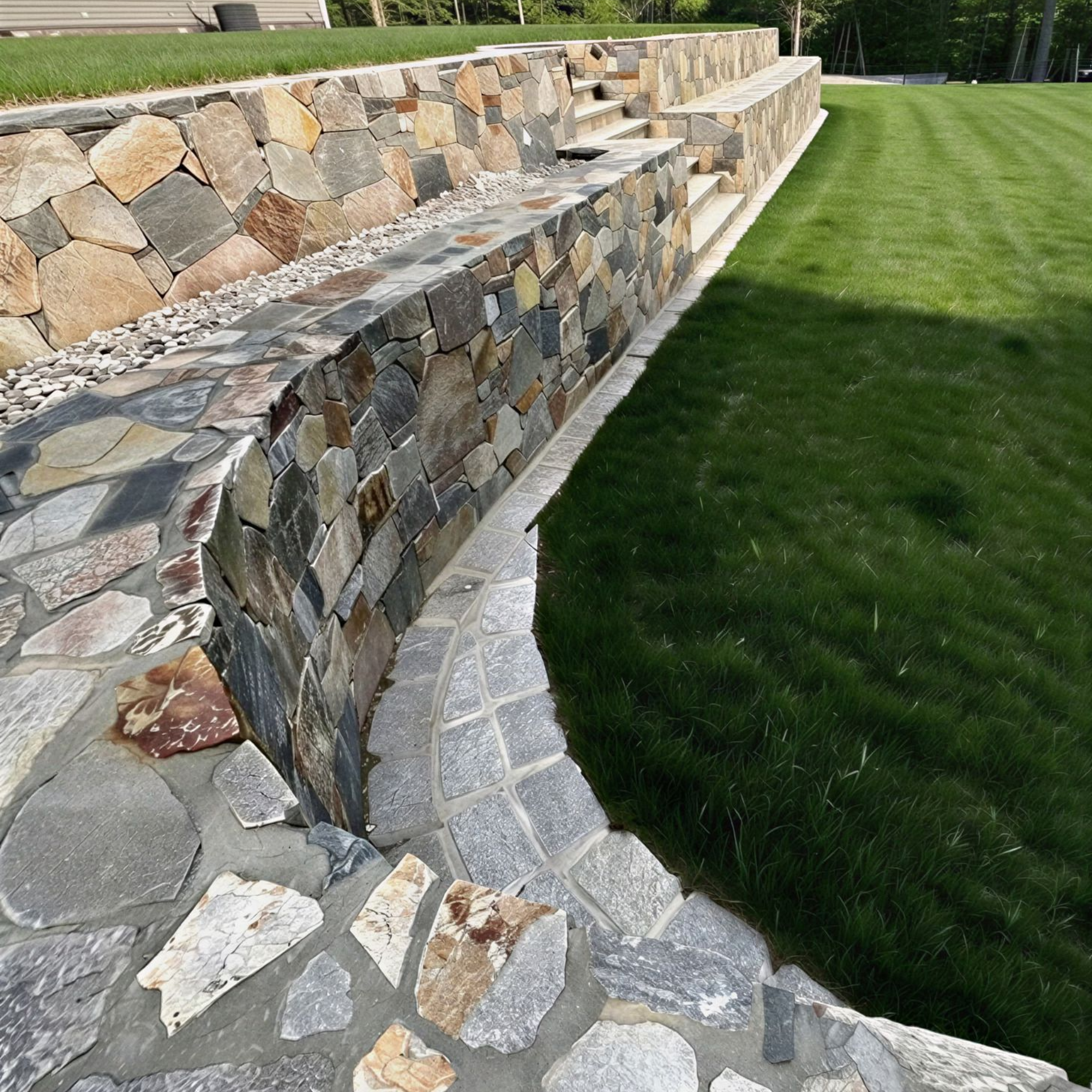
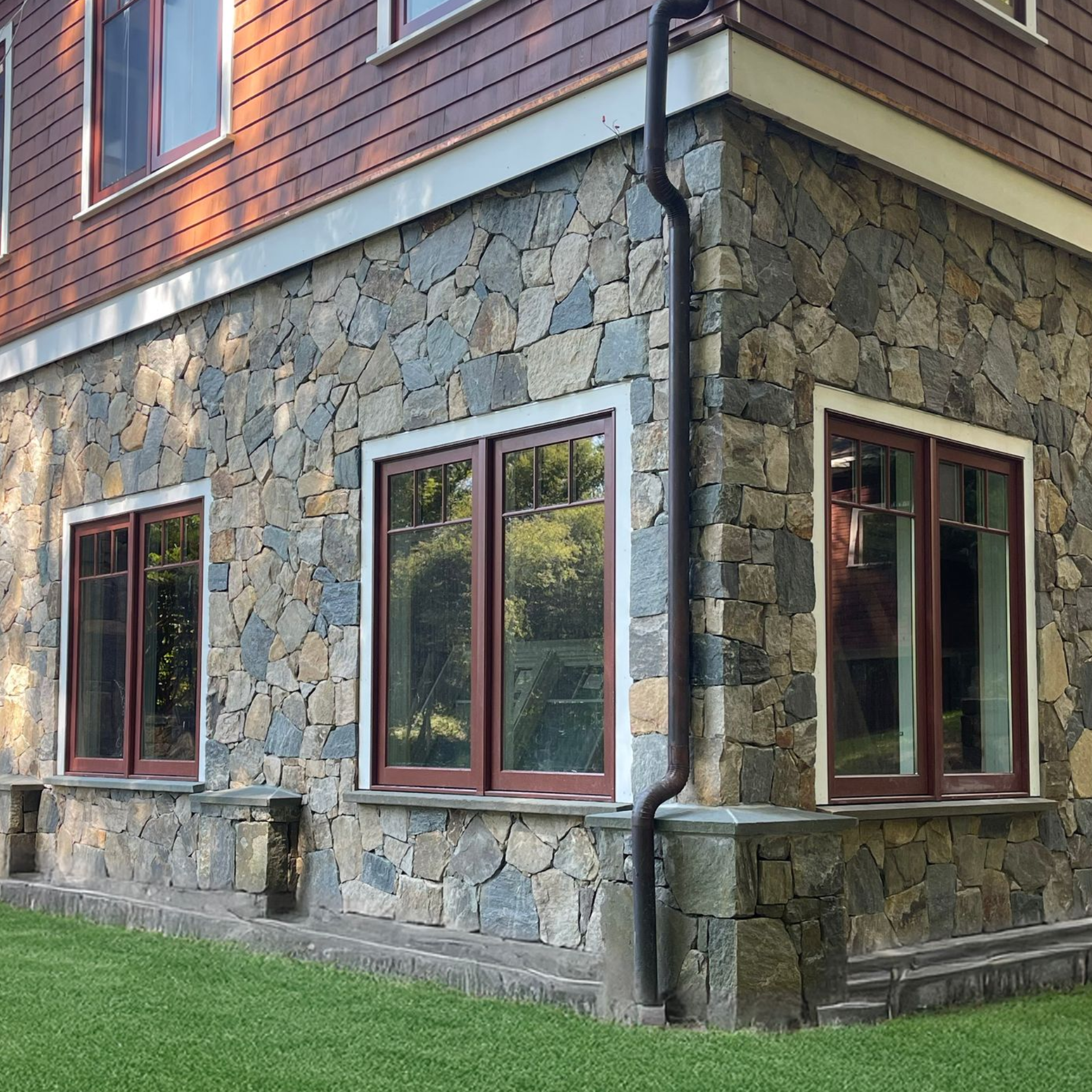
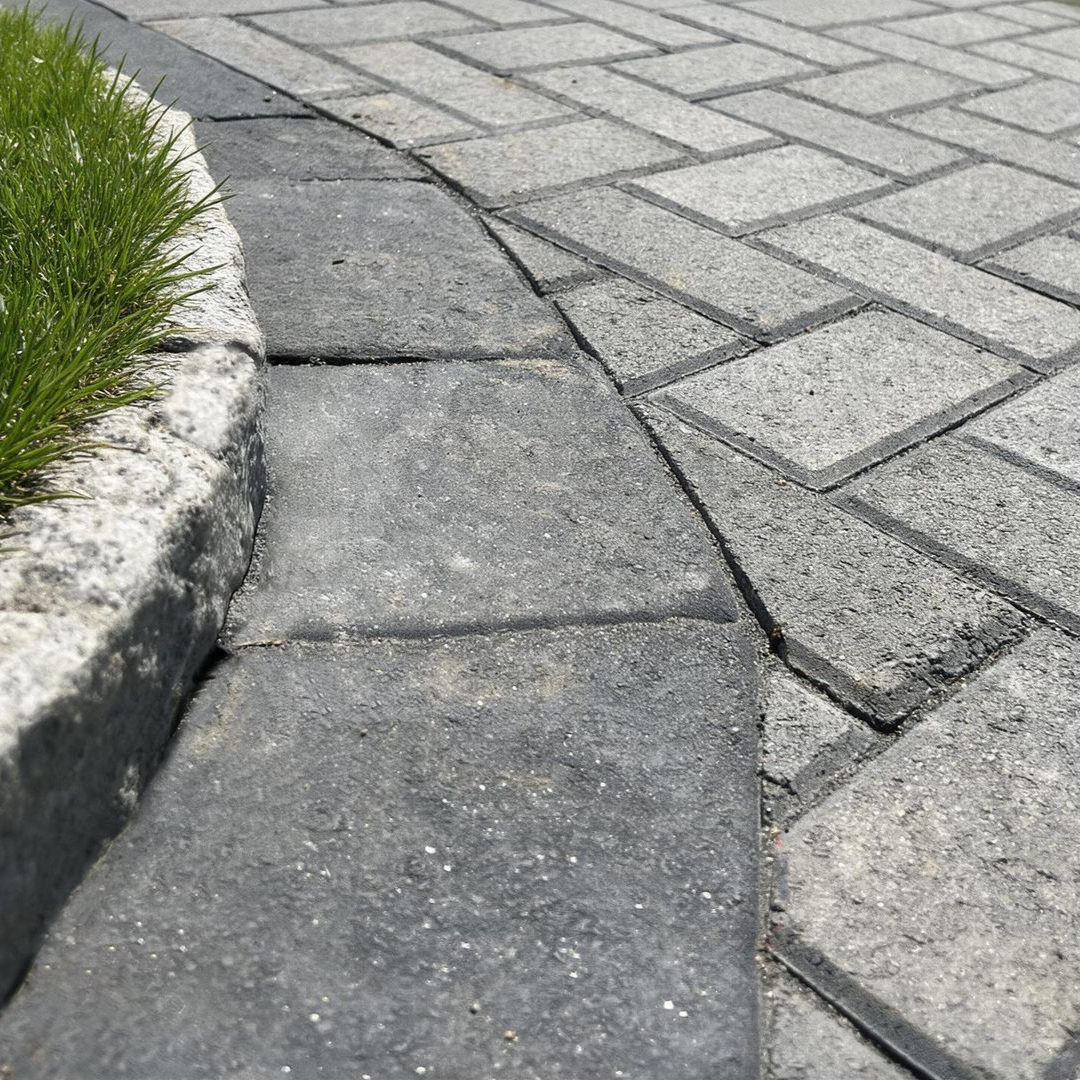
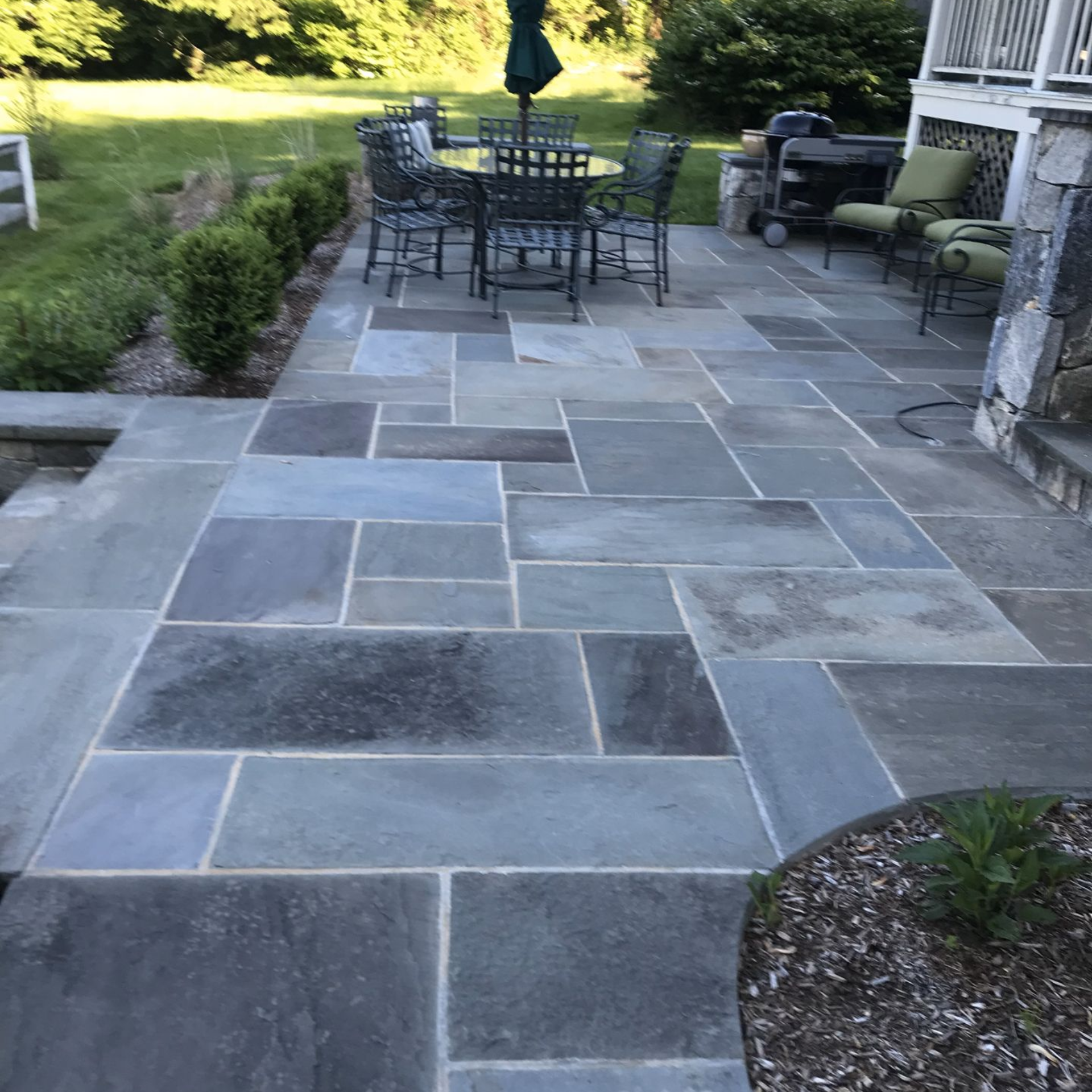
Before: worn gray concrete with chipped edges, hairline cracks, and surface flaking from salt. After: risers and side walls clad in natural stone veneer, finished with full bluestone treads set with a slight overhang and pitch to shed water. The result fits the classic New England look and pairs well with a bluestone walkway or stone patio. See finished stonework in our project gallery.
What Affects the Cost of Step Refacing
Every set of steps is different, so pricing depends on several factors:
- The number and width of steps, plus the size of any landing
- The condition of the existing concrete and any repairs needed first
- Stone selection, such as thermal or natural cleft bluestone and full or thin veneer
- Demolition and new footings, if replacement is required
- Railings, lighting, or adjustments to riser height
Not sure what your project involves? Our post on why masonry projects can grow once work starts explains how hidden conditions affect scope.
Frequently Asked Questions
Can you put stone veneer over existing concrete steps?
Yes, in most cases. Stone veneer can be installed over existing concrete steps as long as the concrete is structurally sound and not settling or pulling away from the house. The surface is cleaned and prepared so the mortar bonds properly, and the veneer is installed so water does not get trapped behind the stone. If the concrete is badly deteriorated, those areas are repaired first, or the steps are rebuilt before any stone goes on.
Is bluestone a good choice for front steps in Connecticut?
Yes. Bluestone is a dense natural stone that has been used on New England steps and walkways for generations. It holds up well to freeze-thaw cycles when installed on a solid base with proper pitch so water runs off. A thermal finish gives a lightly textured surface with better grip than a smooth face, which helps on steps that get wet or icy. Clear it with a plastic shovel and use salt sparingly.
How do I know if my steps can be refaced or need to be replaced?
Steps can usually be refaced if they are level, stable, and only show surface damage like flaking, chips, or hairline cracks. They likely need replacement if they have sunk, tilted, separated from the house, developed wide cracks through the structure, or slope water toward the foundation. The most reliable answer comes from an on-site assessment, where a mason checks the concrete core and the base beneath it before recommending either option.
How long does it take to reface front steps?
Most step refacing projects take a few days to about a week, depending on the number of steps, the condition of the existing concrete, and the weather. Repairs to the concrete core, cutting bluestone treads to fit, and mortar curing time all affect the schedule. Mortar needs suitable temperatures to cure properly, so cold weather in Connecticut can affect when the work is scheduled.
Does refacing steps cost less than replacing them?
Usually, yes. Refacing keeps the existing concrete structure in place, which avoids demolition, disposal, and building new forms and footings. The savings depend on how much repair the old concrete needs before the stone goes on. If the steps have structural problems, replacement is the better long-term value, because stone installed on a failing base will crack along with it. General Masonry provides project-specific estimates at (203) 757-5590.
Ready to refresh your front steps? General Masonry is a second-generation, family-owned masonry contractor serving Waterbury and Western Connecticut for nearly 20 years. Call (203) 757-5590 or request a free estimate, and we'll give you an honest answer on whether your steps need refacing or replacement.