Does Patio Material Affect How Long It Lasts?
Does Patio Material Affect How Long It Lasts?
When homeowners plan a new patio, one of the first questions is how long it will last. Built right, a patio should give you 15 to 20 years, and possibly as long as 30. But "built right" covers two things: what's underneath, and what you choose to put on top. Here's how material choice fits into the picture, and why it matters less than most people expect.
The Base Comes First, Material Second
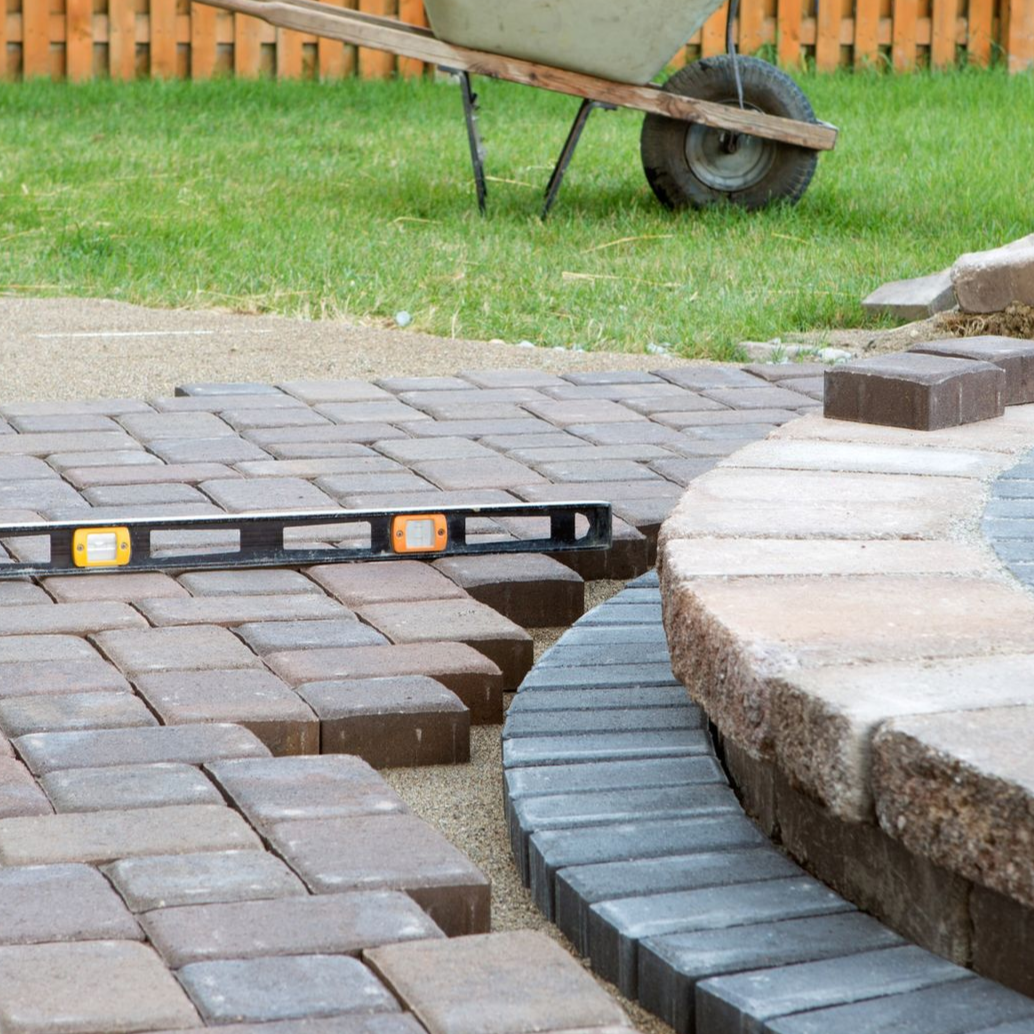
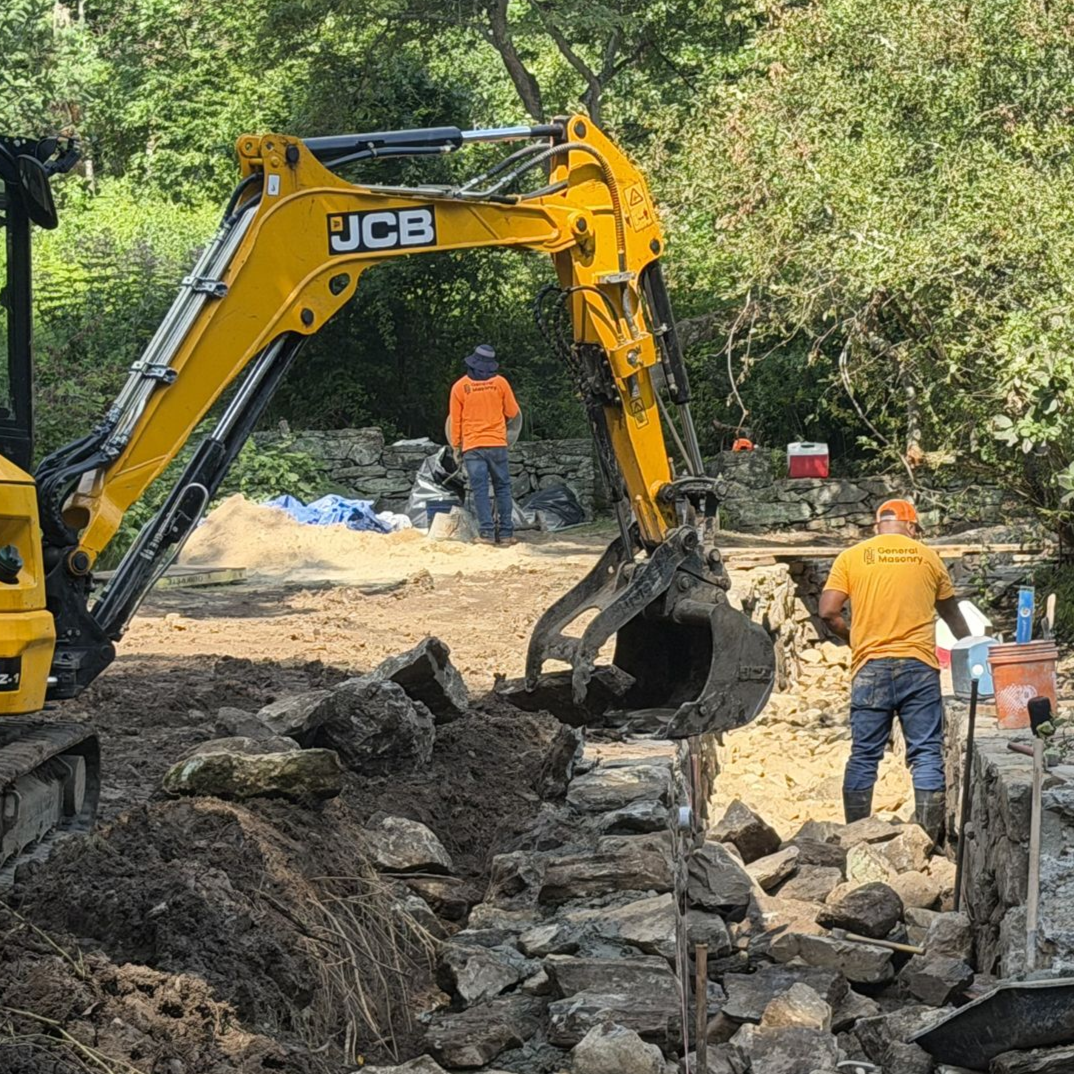
No material can outlast a bad base. Every General Masonry patio sits on 8 inches of base material, compacted every few inches as it goes in. That foundation is what keeps a patio from sinking or shifting through Connecticut's freeze-thaw cycles. Get the base wrong and even the best stone will fail early. Get it right, and material choice becomes the factor that fine-tunes how your patio ages.
How Natural Stone Holds Up Over Time
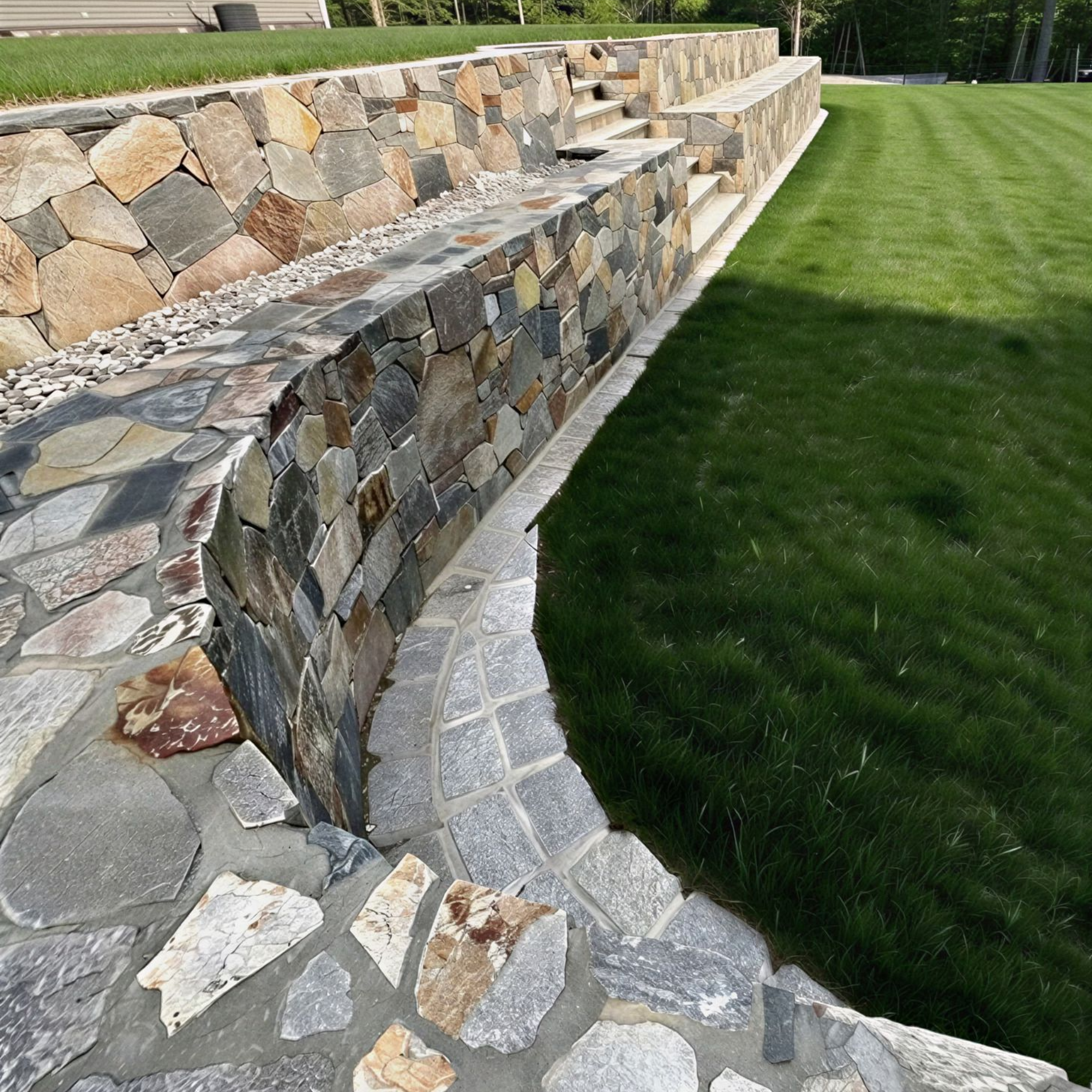
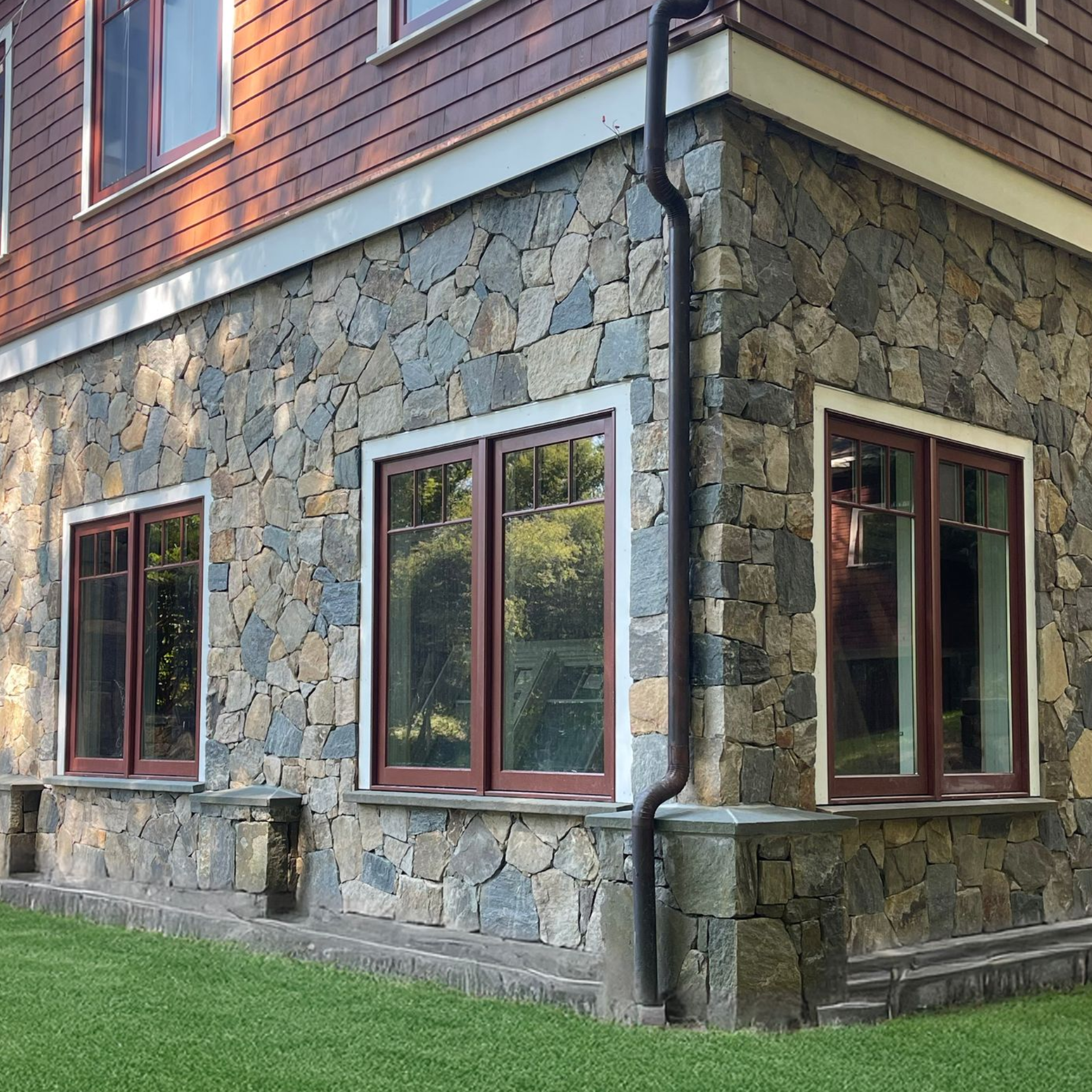
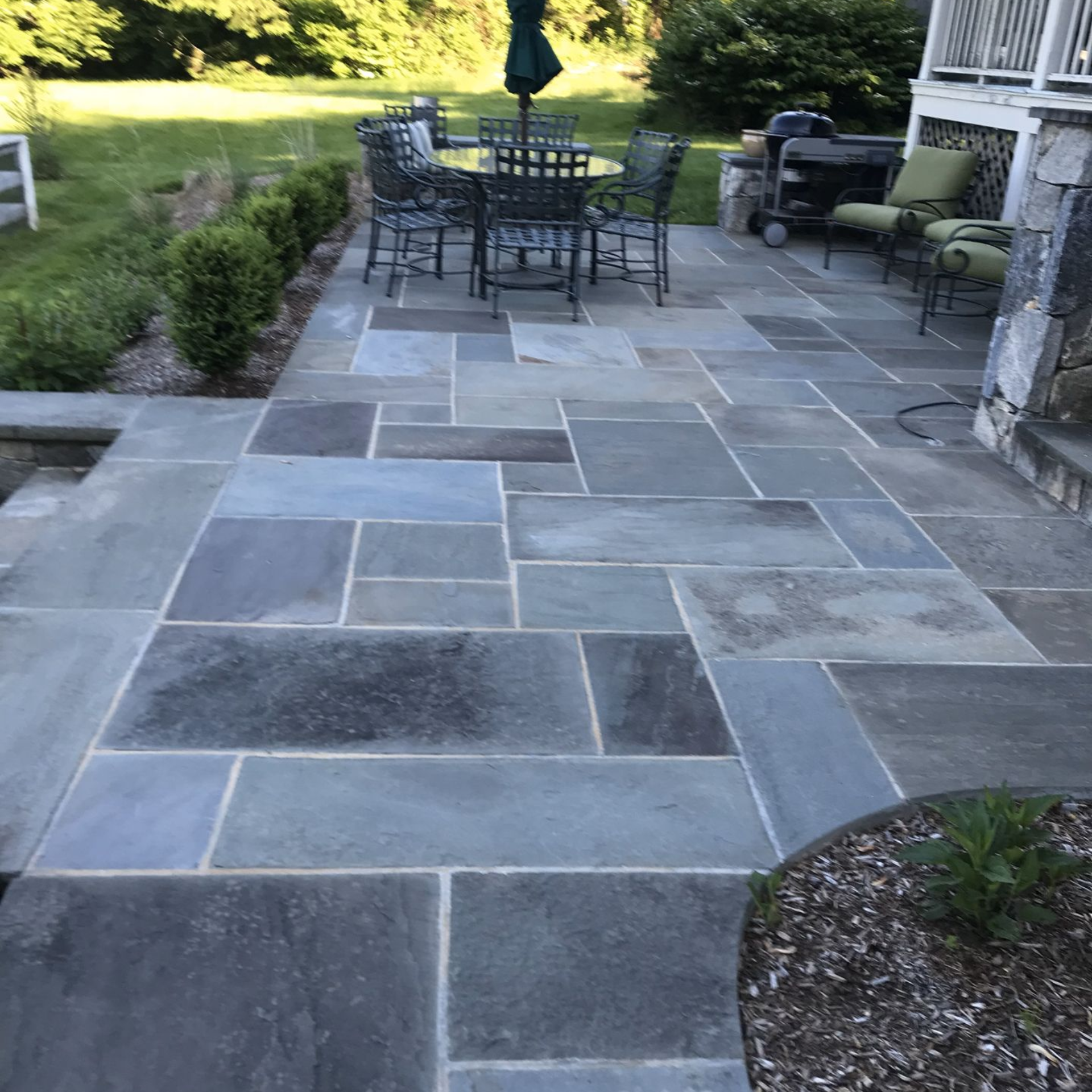
Dense natural stones like bluestone, flagstone, and fieldstone are tough and weather well, often looking better as they age. If a stone shifts over the years, it can typically be reset. A natural stone patio asks for a little care in winter, mainly not being aggressive with a shovel, but it's a durable, long-term choice for New England homes.
How Pavers Hold Up Over Time
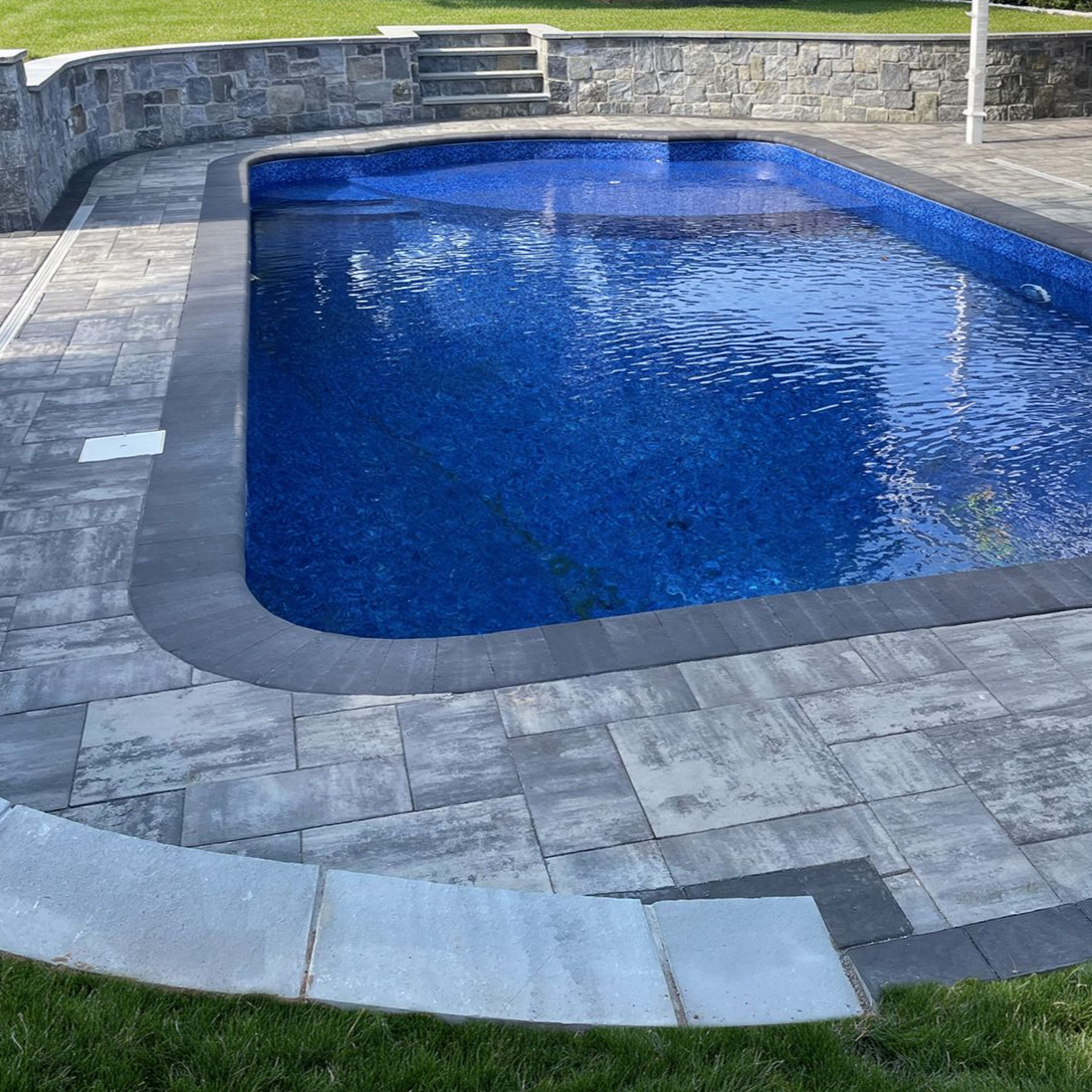
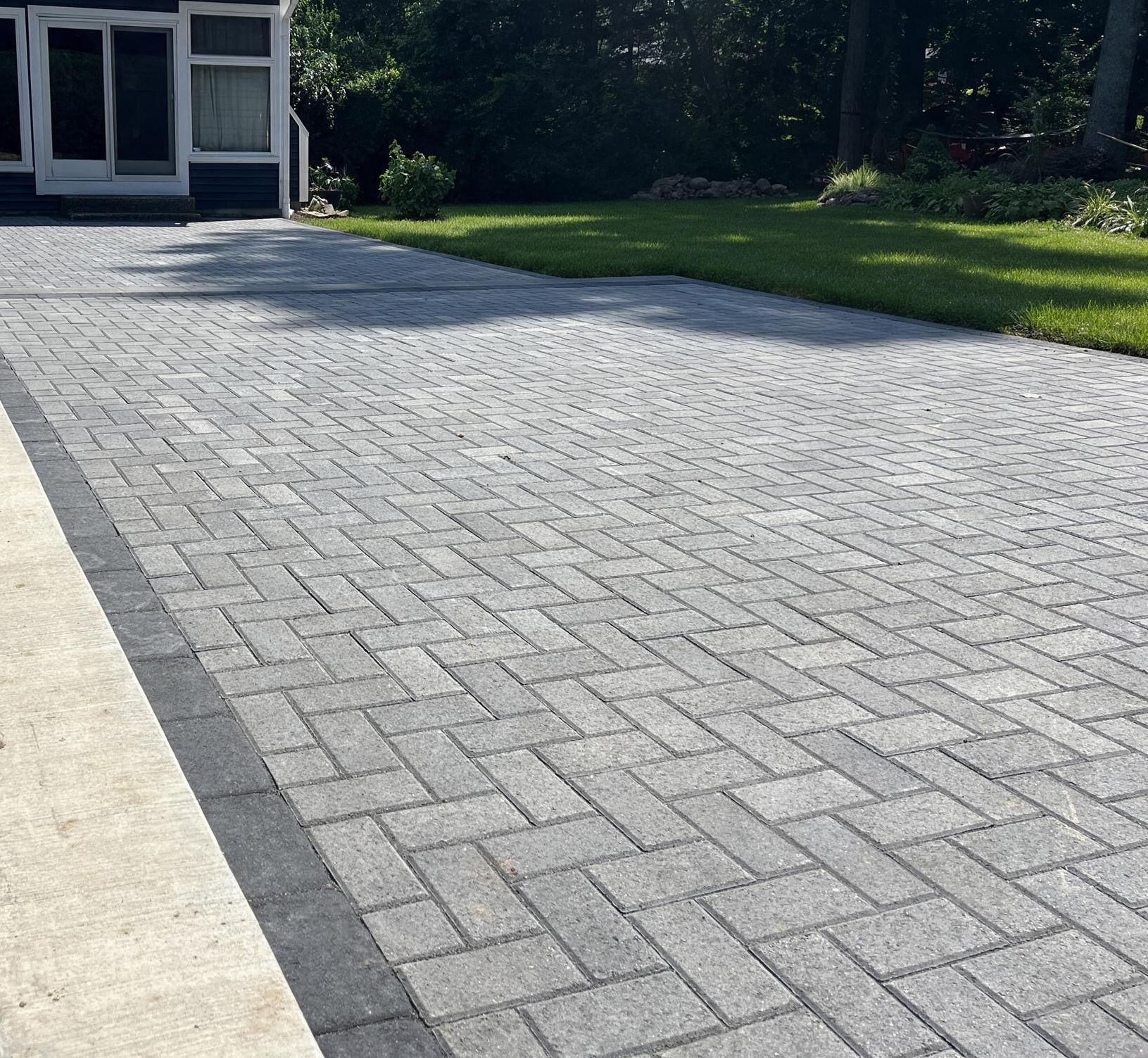
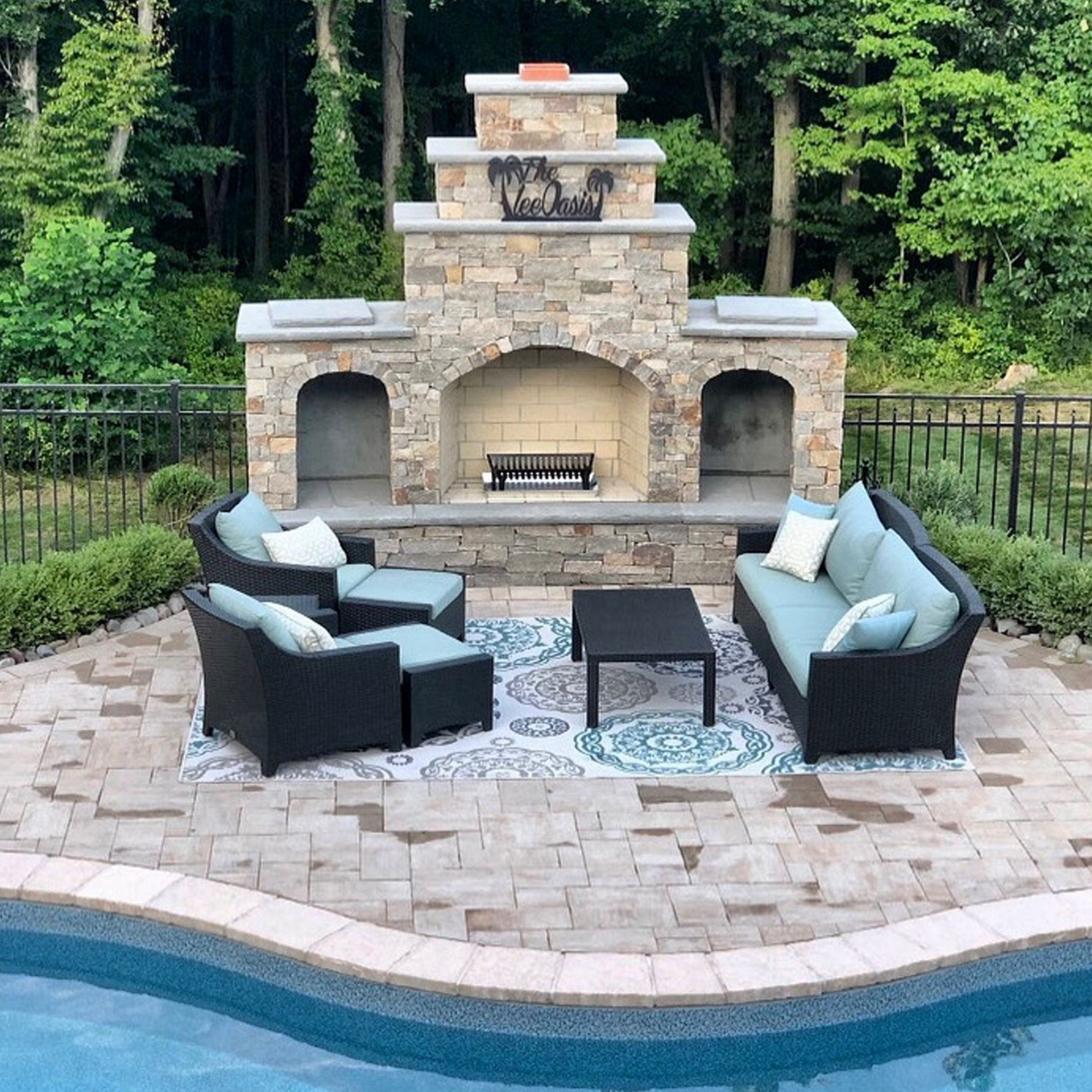
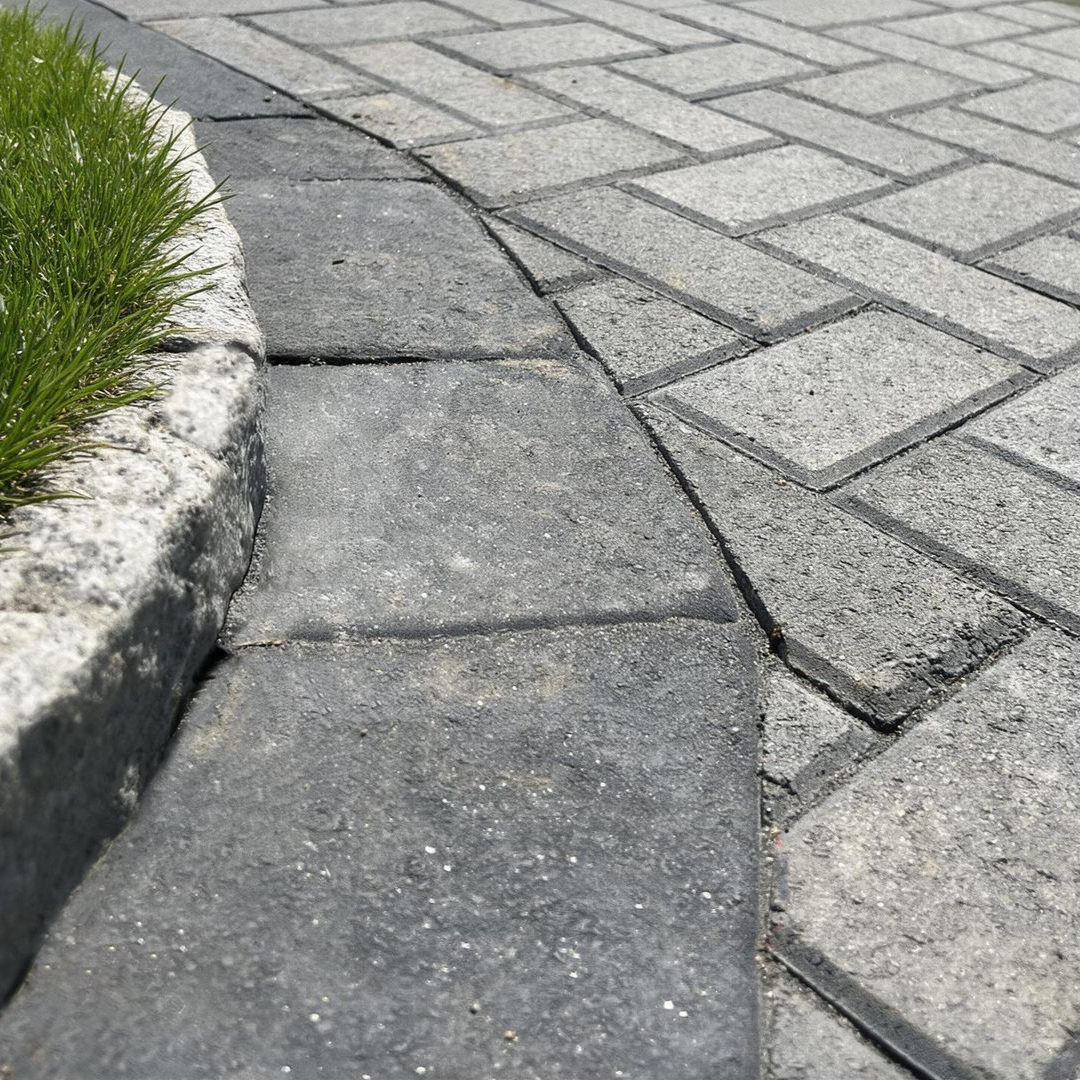
Manufactured pavers are consistent and practical. One of their biggest advantages for lifespan is that individual pavers can be reset or replaced without redoing the whole surface. They are easier to chip than natural stone, so a bit of care with shoveling helps, and occasional joint sand touch-ups keep the surface locked together. A well-built paver patio or paver pool deck can serve you for decades.
Materials That Shorten a Patio's Life
Some materials simply aren't suited to Connecticut weather. Porous stones are the biggest concern. Travertine, for example, is full of holes that let water in, freeze, and break the stone apart. Unless you buy the highest-grade stock, it's likely to wear out far sooner than a denser stone or quality paver.
For a full look at appearance, cost factors, and maintenance, see our guide to natural stone vs. paver patios and our post on paver patio lifespan in Connecticut.
Frequently Asked Questions About Patio Lifespan and Materials
How long does a properly built patio last?
A properly built patio typically lasts 15 to 20 years, and possibly up to 30 years. The biggest factor is base preparation: an 8-inch base compacted every few inches keeps the patio from sinking or shifting. Material choice also plays a role, since dense natural stone and quality pavers hold up much better in Connecticut's climate than porous stones like low-grade travertine.
Does natural stone last longer than pavers?
Both natural stone and pavers can last for decades when they're built on a proper base. Dense natural stones like bluestone and fieldstone are very durable and age well, while pavers offer the advantage of replacing individual units if one is damaged. The base underneath matters more than the material on top, so the right choice usually comes down to your home's style and how you'll use the space.
What patio material lasts the longest in Connecticut?
Dense natural stones such as bluestone, flagstone, and fieldstone, along with quality manufactured pavers, all perform well in Connecticut. What they share is resistance to water getting inside the material and freezing. Porous materials, like lower-grade travertine, are the ones that tend to break down early. Whatever you choose, installing it on a properly compacted base is what allows it to reach its full lifespan.
Can a damaged patio be repaired instead of replaced?
Often, yes. Pavers and most natural stones can be reset or replaced individually if the base underneath is still sound. If a patio is sinking across large areas, the base is usually the problem, and a rebuild is the more lasting fix. General Masonry's masonry repair team can assess which option makes sense for your patio.
What shortens the life of a patio?
The most common things that shorten a patio's life are a thin or poorly compacted base, poor drainage, and choosing a porous material that absorbs water and cracks when it freezes. Rough winter care, like aggressive shoveling or leaving salt on the surface too long, can also cause chipping and discoloration over time. Building it right and caring for it gently are the best ways to get the most years out of your patio.
Want a patio built to last for decades? General Masonry is a second-generation, family-owned masonry contractor serving Western Connecticut for nearly 20 years. Call (203) 757-5590 or request a free estimate to talk through the right material for your home.