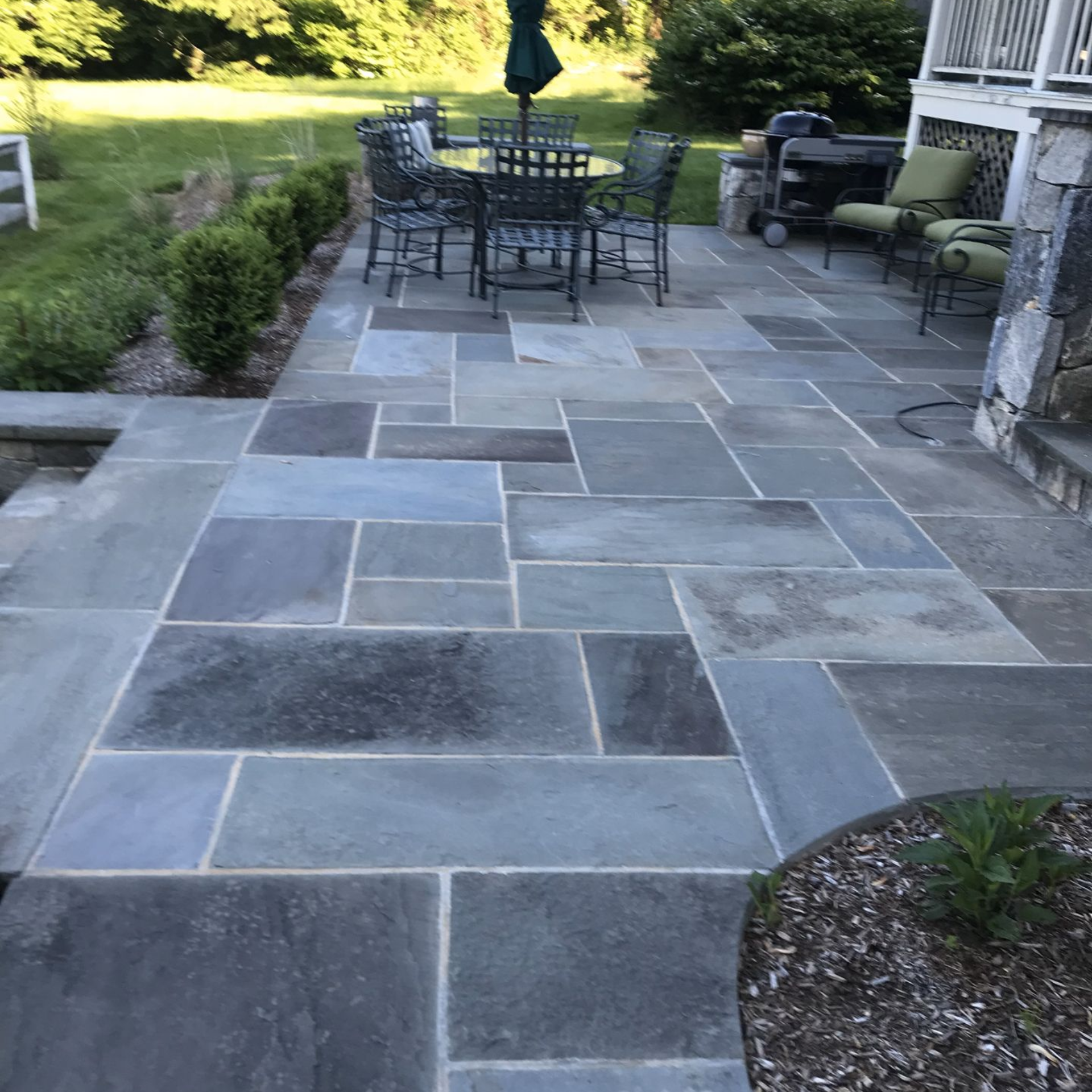
Retaining Walls Aren't Just for Fixing Problems
Retaining Walls Aren't Just for Fixing Problems
Most people think of a retaining wall as a fix: something you call about after a bank starts washing out or an old wall begins to crumble. That's a big part of what we do in Connecticut. But a well-built retaining wall can also prevent problems before they start, add real beauty to a property, and turn a slope you avoid into part of the yard you actually use. For homeowners settled into their forever home, that's often where the most rewarding projects begin.
Three Reasons Homeowners Build Retaining Walls
Retaining walls generally serve one of three purposes, and many do all three at once: preventing future erosion and drainage trouble, improving how a property looks, and creating flat, usable space. Thinking about a wall this way helps you plan it as part of your landscape, not just a repair.
Building Before the Problem Shows Up
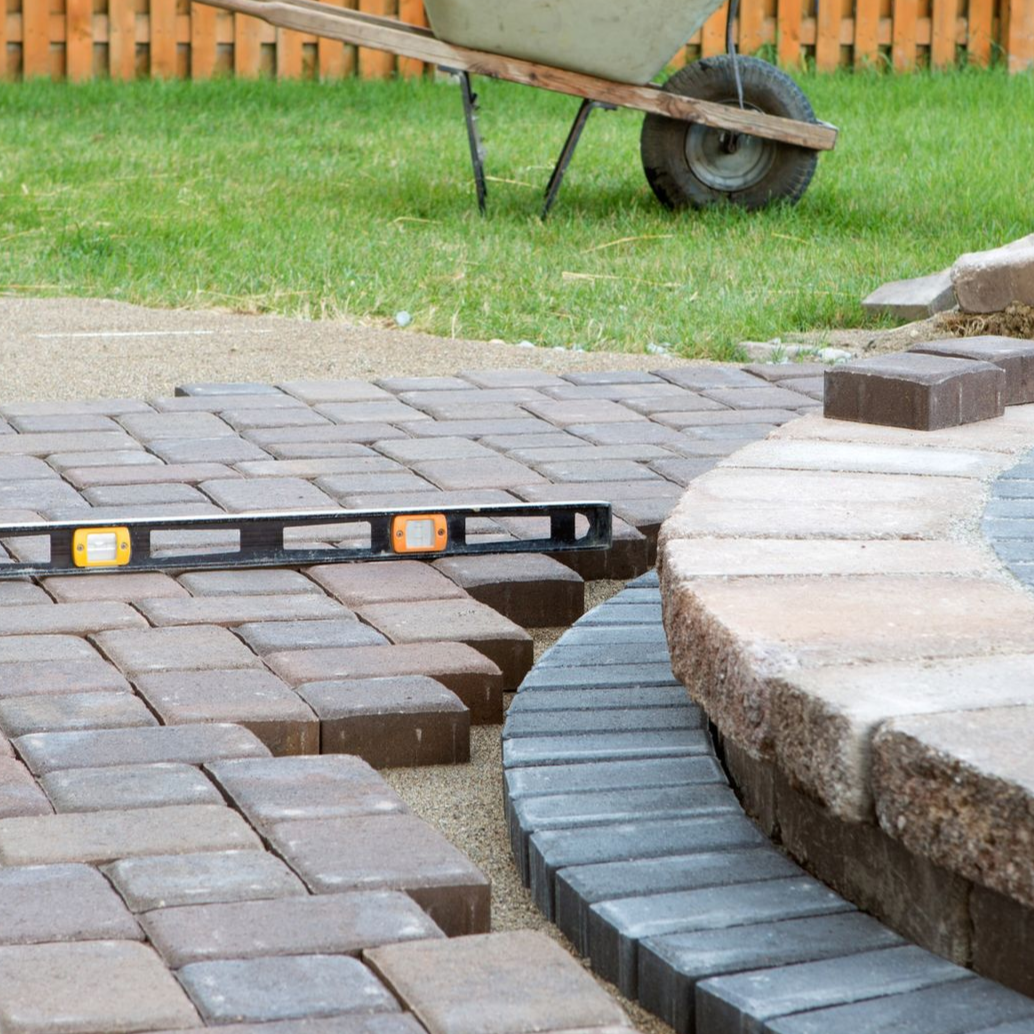
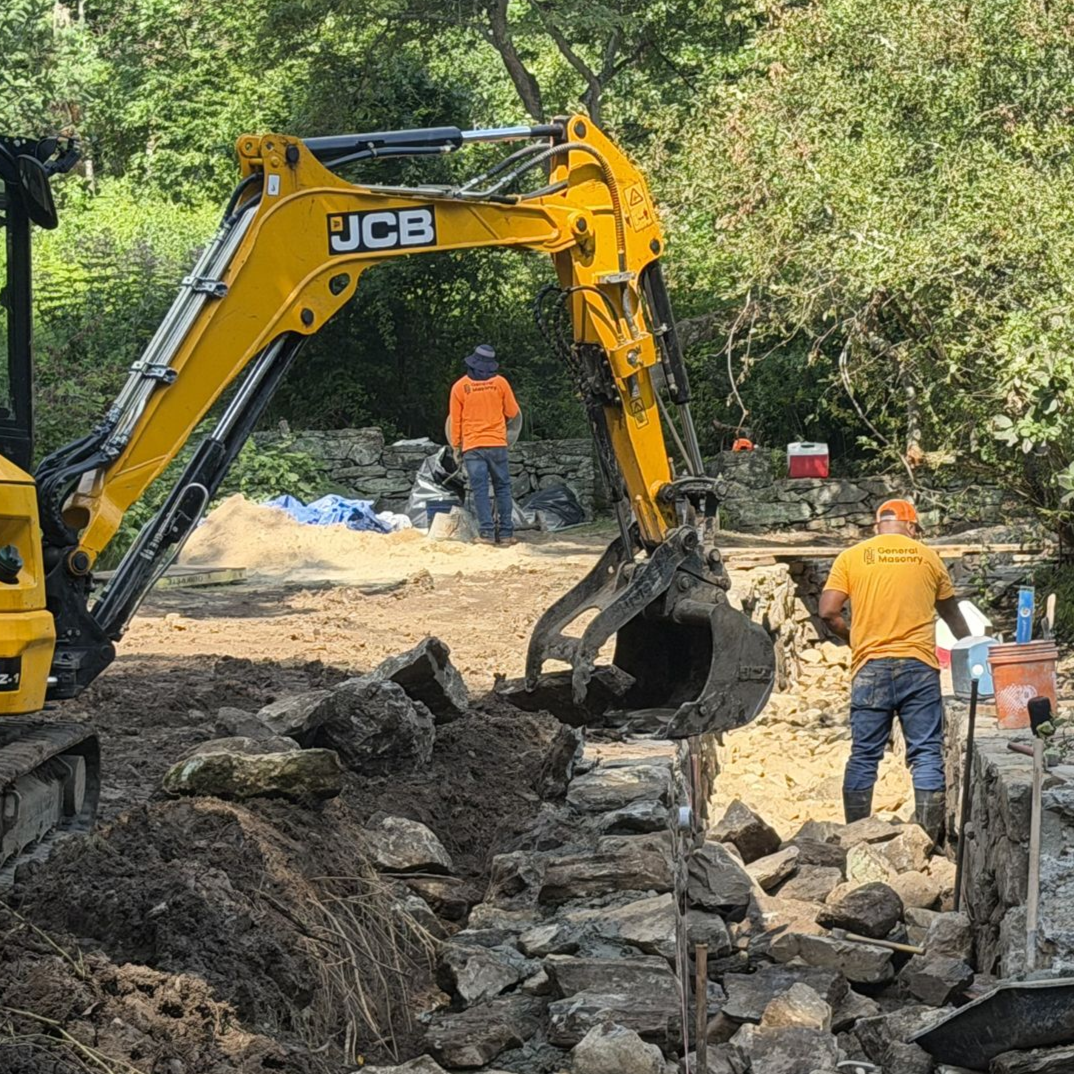
A wall doesn't have to wait for a washout. If a slope already sheds soil after heavy rain or sends water toward the driveway, holding that grade now can keep a small issue from becoming a bigger one. Built on a compacted gravel base, a preventative retaining wall gives soil a stable edge and lets water move where it should. You can see how that base goes in on our guide to how we build a retaining wall, step by step.
Walls Built Purely for Looks
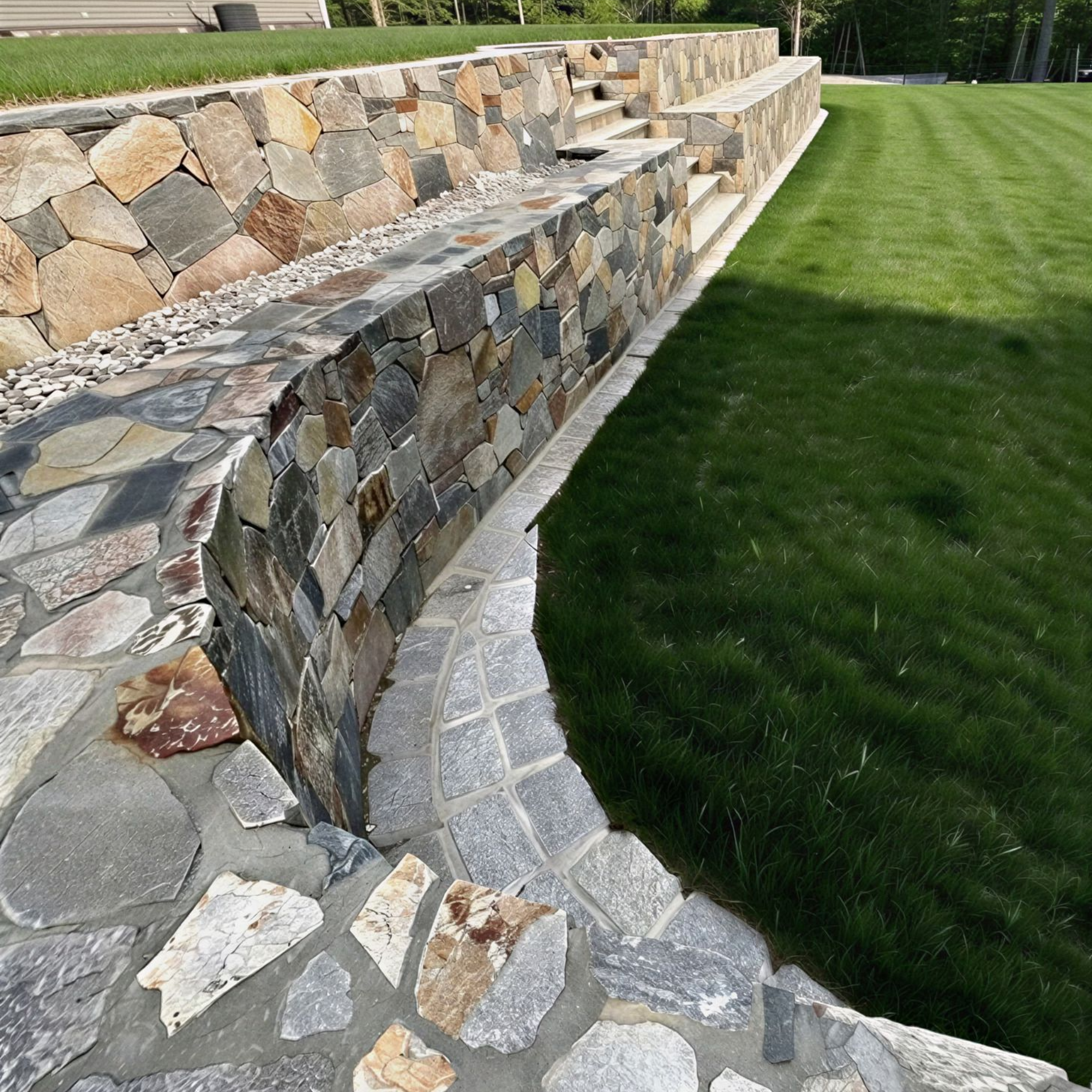
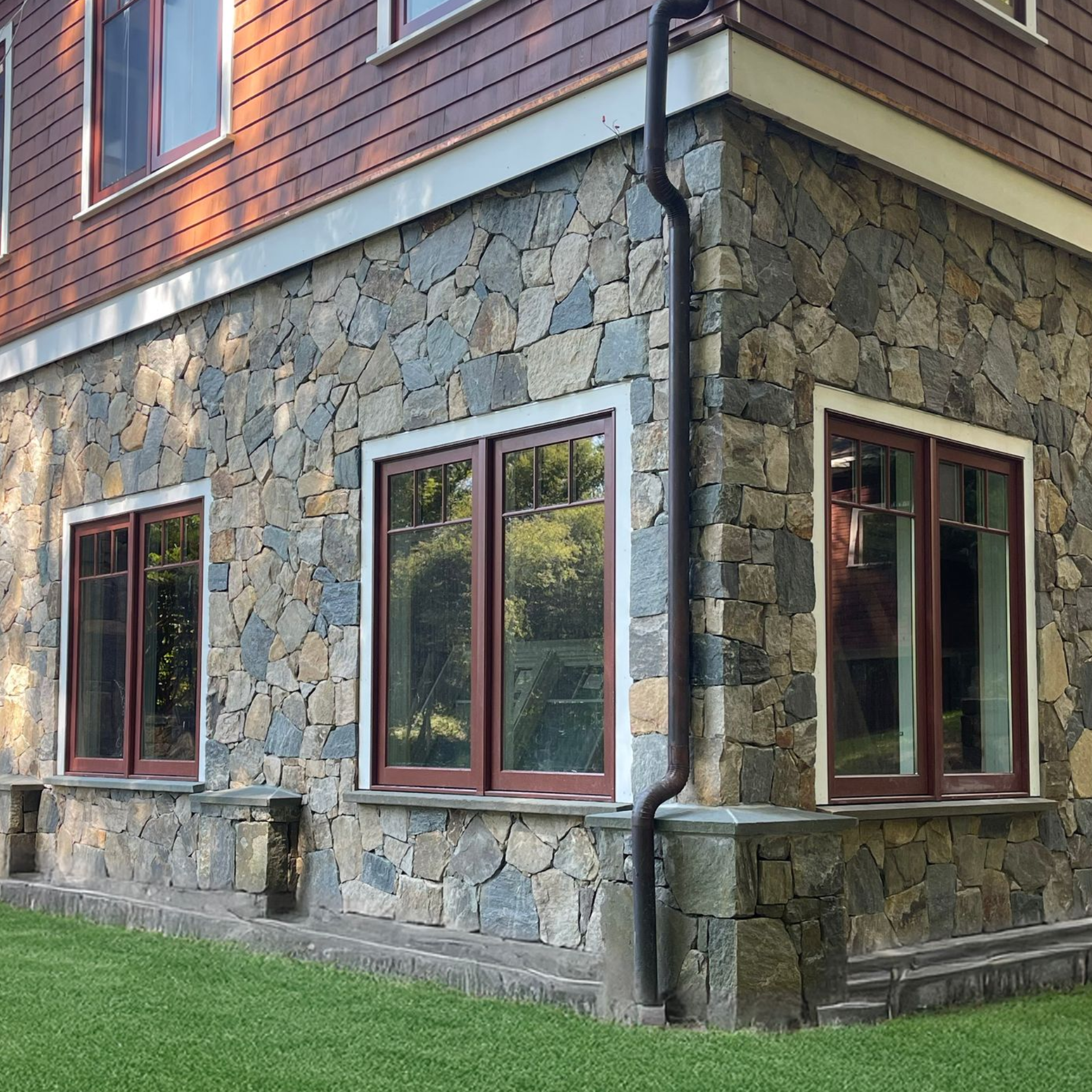
Some walls are there simply because they make a property look finished. A natural stone wall can frame a garden bed, define the edge of a patio, or give a front yard that classic New England character. For a refined face on a structural wall, natural stone veneer adds texture that complements your home's exterior. As Kristian puts it, this kind of work is less transactional and more emotional. It's about how your home feels every time you pull in.
Turning a Harsh Slope Into Usable Yard
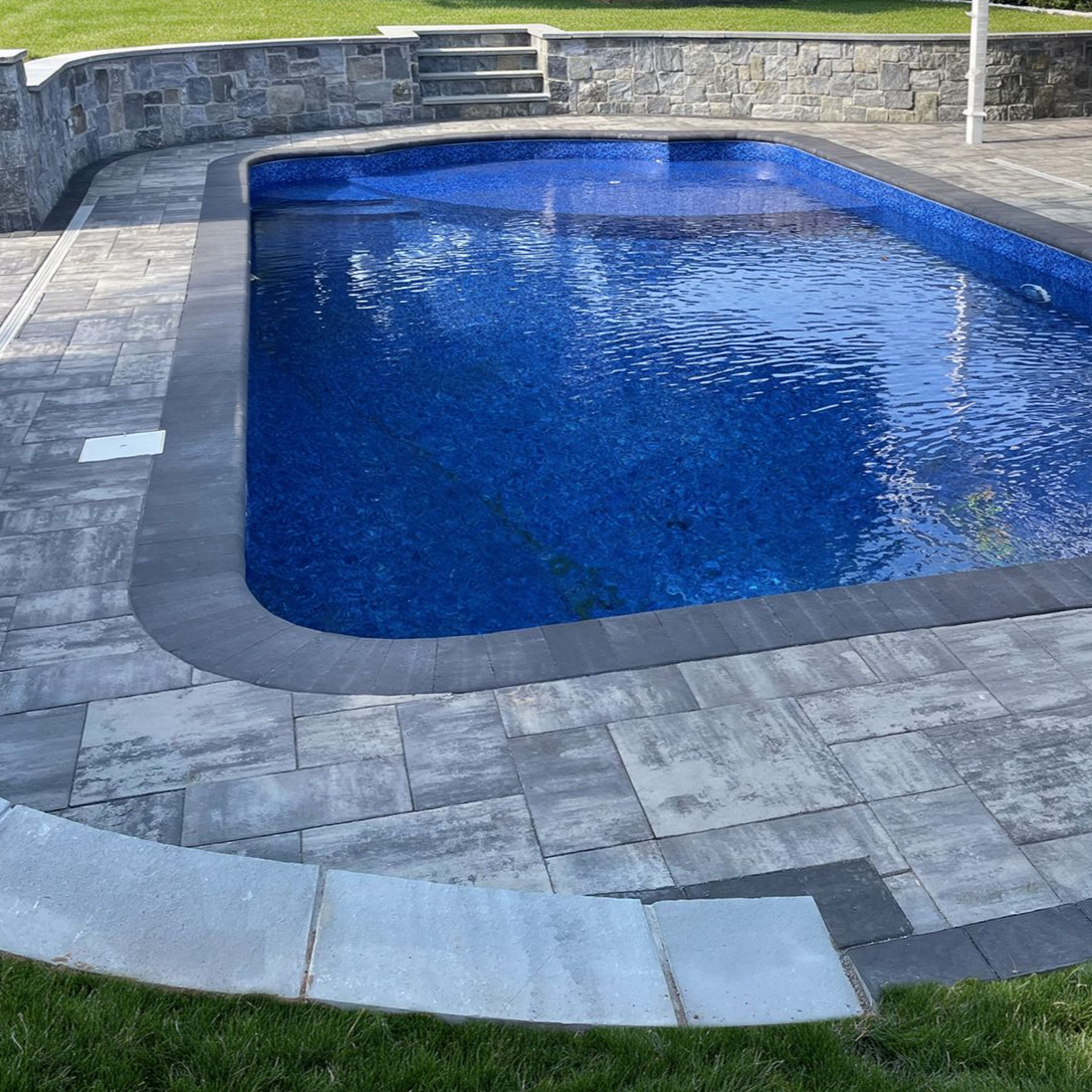
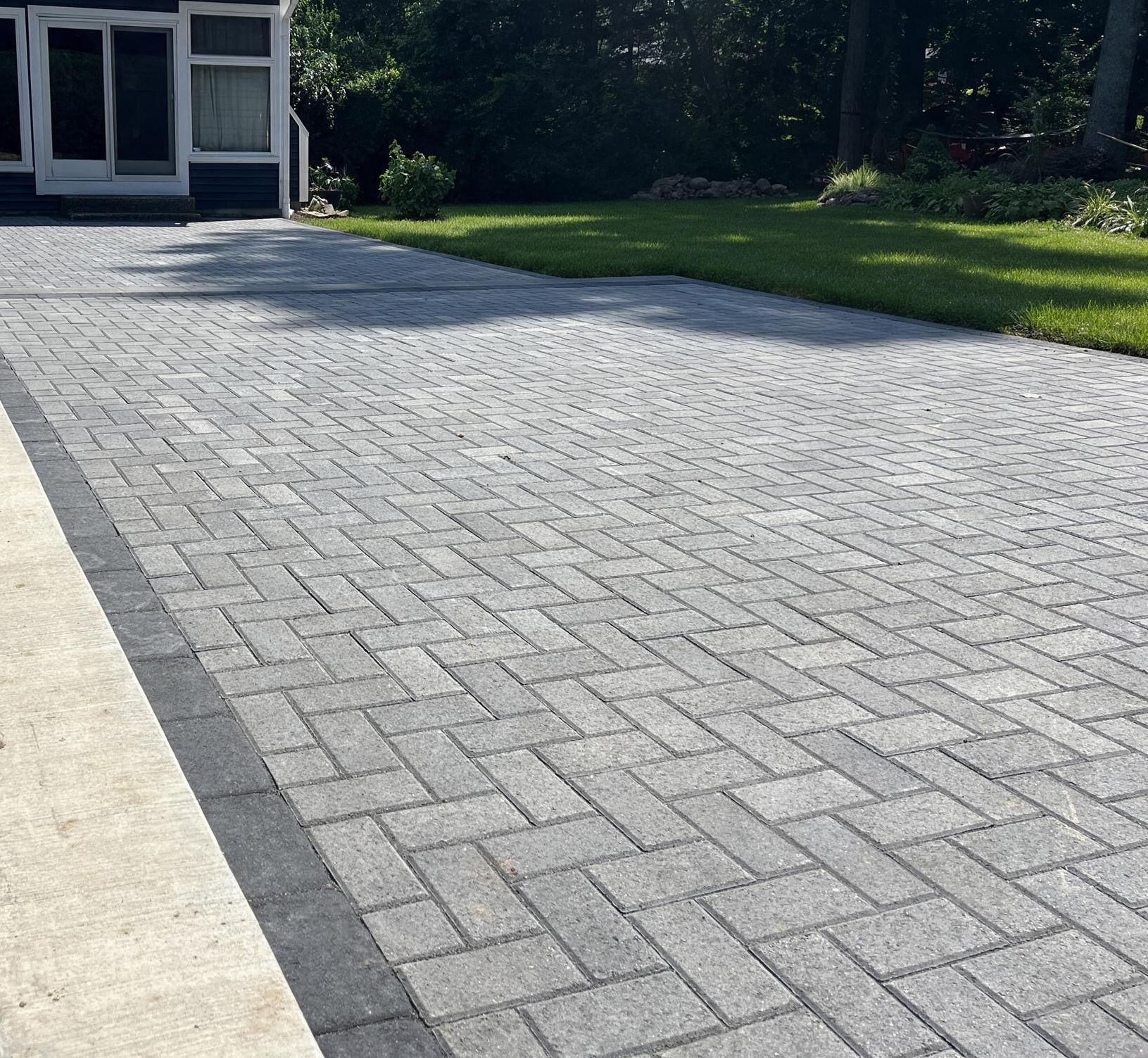
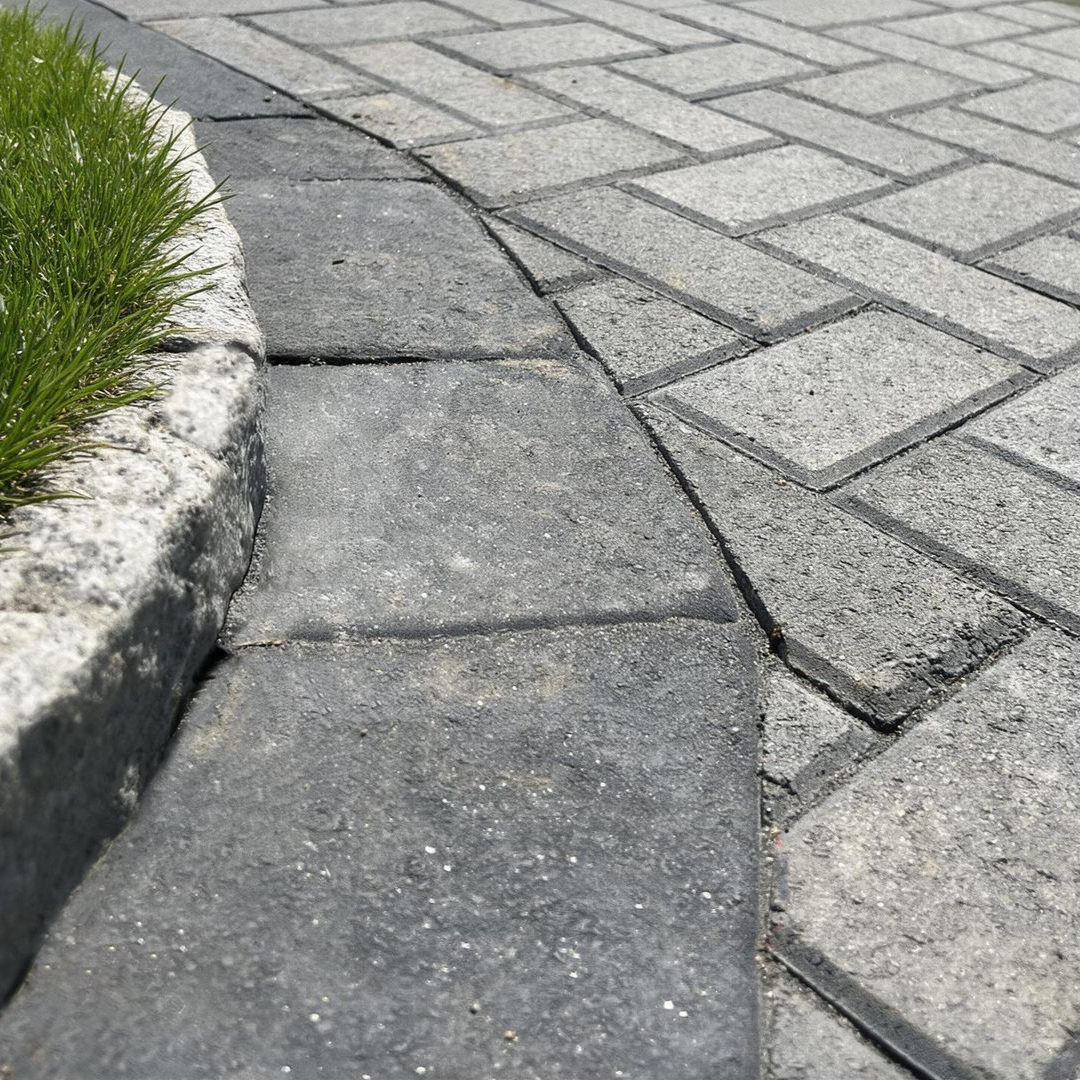
On a recent project, a retaining wall near the road flattened a steep slope that was hard to deal with. Now the yard is easier to mow and walk on, and it has fresh grass where the bank used to be. That's the quiet value of a wall: more of your property becomes space you can enjoy. Leveled ground can also open the door to a future paver patio, a paver walkway, or a paver pool deck.
Whether your goal is protection, beauty, or more room to live outside, the right wall starts with understanding your land. Learn more about our retaining wall services or browse finished projects in our gallery.
Frequently Asked Questions About Retaining Walls
Can I build a retaining wall even if I don't have a problem yet?
Yes. A retaining wall can be built as a preventative measure on a slope that's starting to shed soil or send water toward your driveway or home. Holding the grade early can keep minor erosion from becoming a bigger issue later. During an on-site assessment, General Masonry looks at how water and soil move across your property and tells you honestly whether a wall makes sense now or can wait.
Can a retaining wall be purely decorative?
Absolutely. Many retaining walls are built mainly for looks: to frame garden beds, define a patio edge, or give a yard a finished, New England feel. Even a decorative wall should be built on a proper gravel base so it stays level and attractive for years. Natural stone and stone veneer are popular choices when appearance is the main goal, since they complement both traditional and modern homes.
How does a retaining wall create usable space?
A retaining wall holds back soil so a steep slope can be leveled into flatter ground. That flat area is easier to mow, safer to walk on, and can be seeded with new grass. On one recent project, a wall near the road turned a harsh slope into a yard the homeowners can actually use. Leveled ground can also become the foundation for a patio, walkway, or other outdoor living space.
Can a retaining wall be part of a bigger outdoor living project?
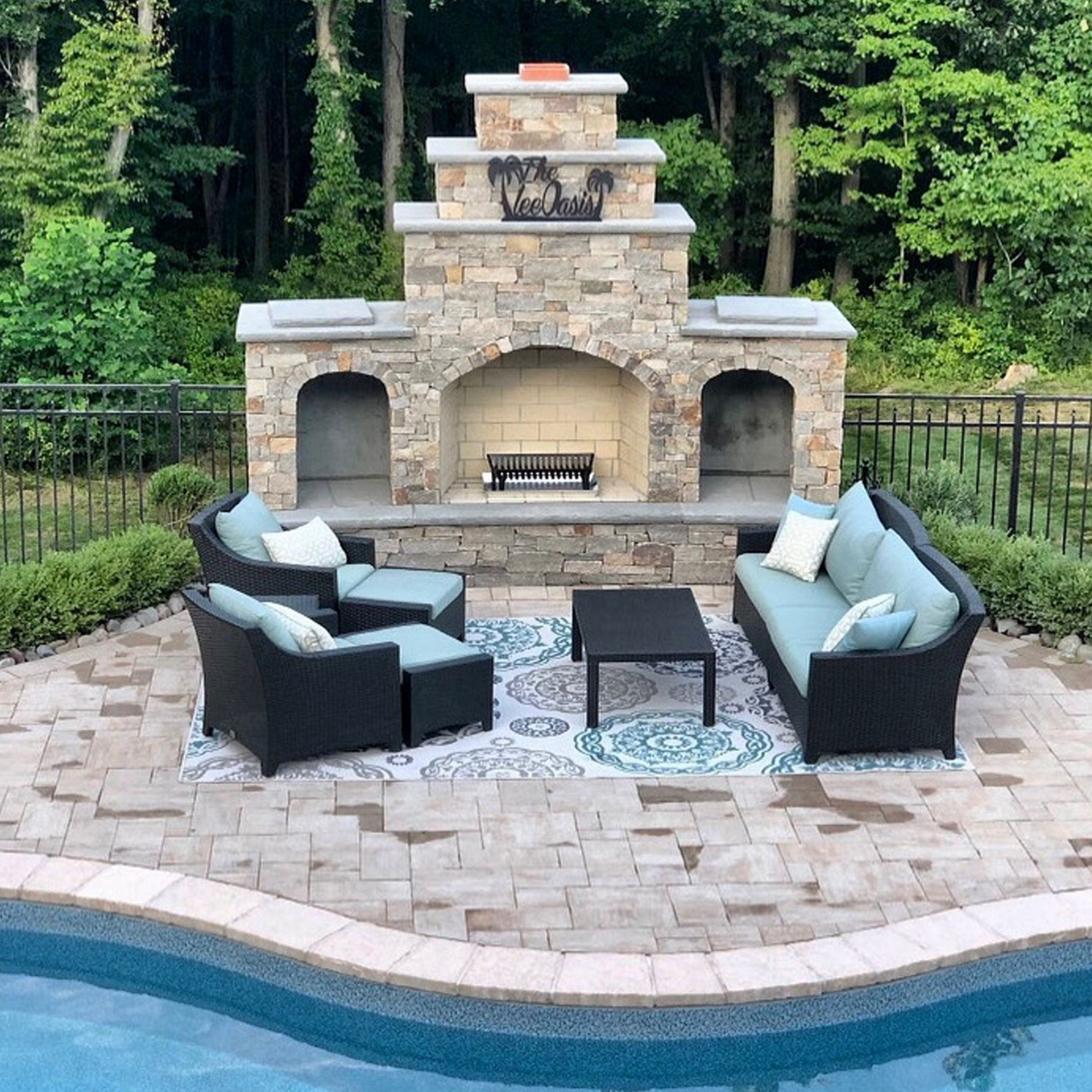
Yes, and it often should be. Planning a retaining wall alongside a paver patio, walkway, or pool deck lets the grade, drainage, and materials work together instead of being pieced together later. General Masonry designs walls with the rest of your outdoor space in mind, so the finished project looks cohesive and each part supports the others for the long term..
What material looks best for a decorative retaining wall?
It depends on your home and the style you want. Natural stone held with cement offers a timeless, hand-built look that suits established New England homes and wooded lots. Prefabricated block offers a clean, uniform face that pairs well with modern designs. Natural stone veneer can also be applied to add character to a structural wall. A design consultation is the best way to compare options on your own property.
Thinking about what a retaining wall could do for your yard? General Masonry is a second-generation, family-owned masonry contractor serving Western Connecticut for nearly 20 years. Call (203) 757-5590 or request a free estimate to talk through your ideas.