Masonry for New Construction in CT: When to Bring in a Mason and What to Expect
Masonry for New Construction in CT: When to Bring in a Mason and What to Expect
Building a new home in Connecticut involves a long list of trades, and the mason shapes much of the finished look. Bringing one in at the right time keeps the schedule moving and protects the work that is already done. General Masonry works with the homeowner or the general contractor, whoever is running the job, on new builds across Waterbury and western Connecticut.
When Should a Mason Start on a New Build?
Timing depends on whether the work is inside or outside the house.
- Inside: After framing, ideally around the electrical stage. Masonry is dirty finish work. It can go in after sheetrock if the walls are shielded, but it should not be left to the very end.
- Outside: Once the weather-resistant barrier is up on the house.
What Masonry Work Happens on New Construction?
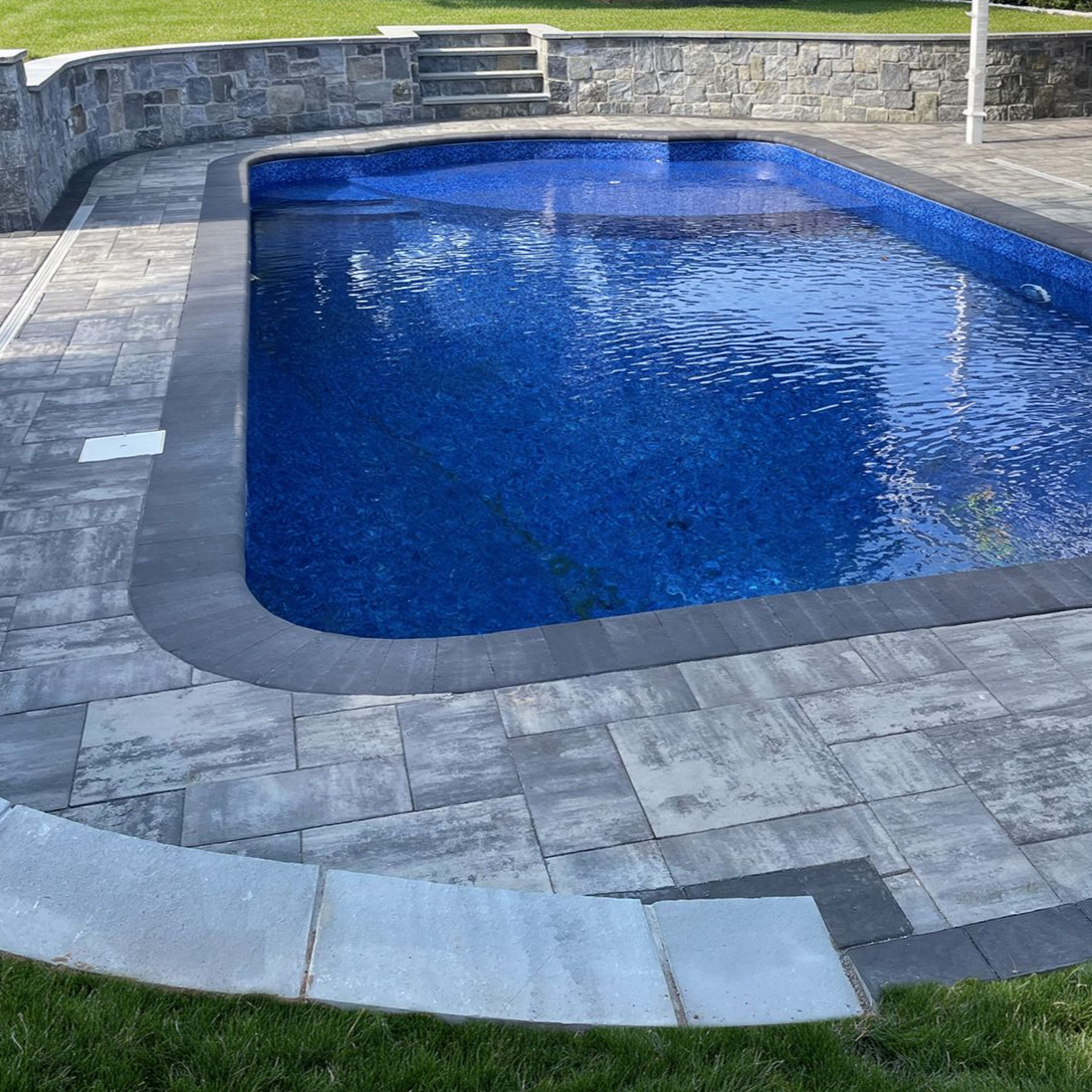
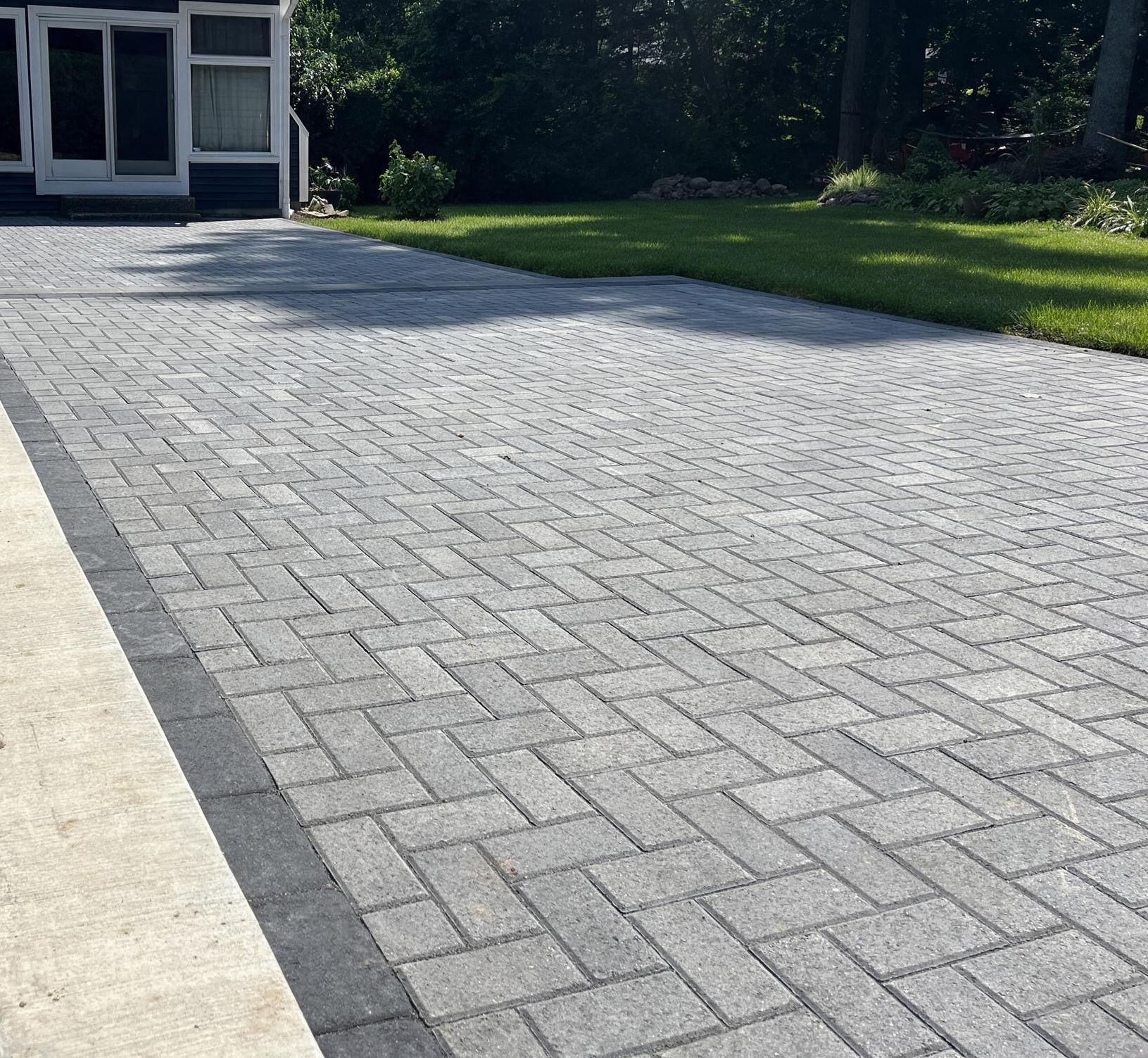
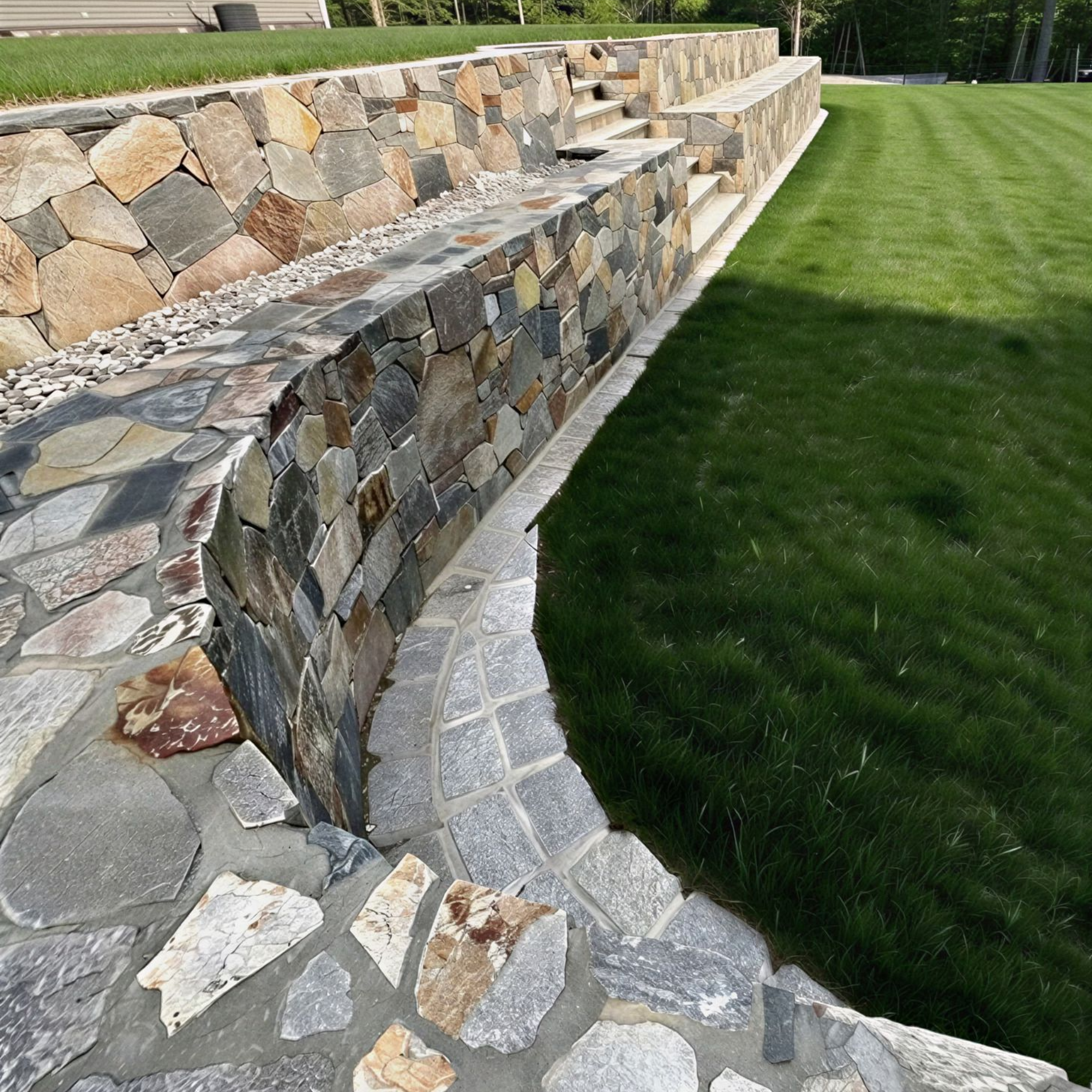
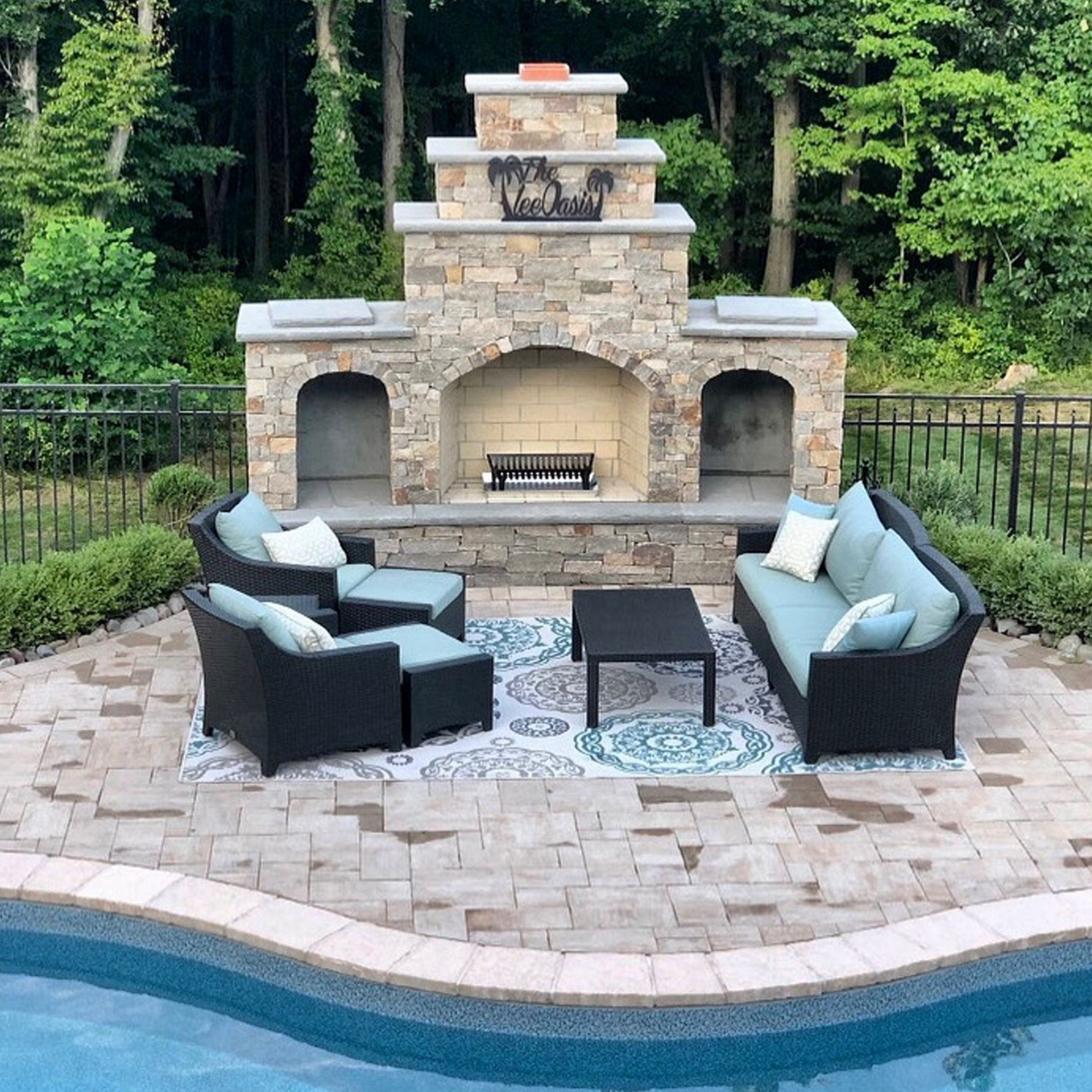
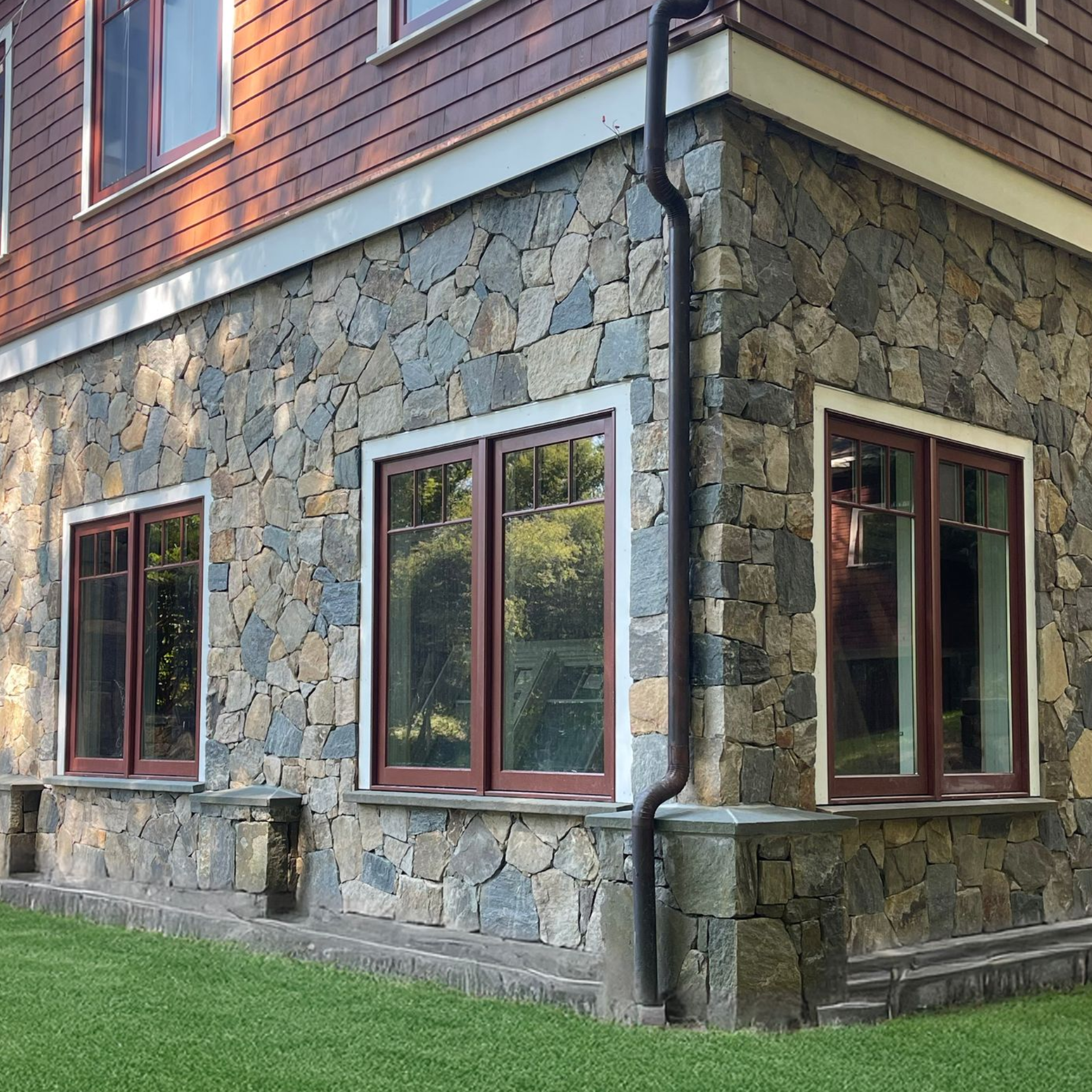
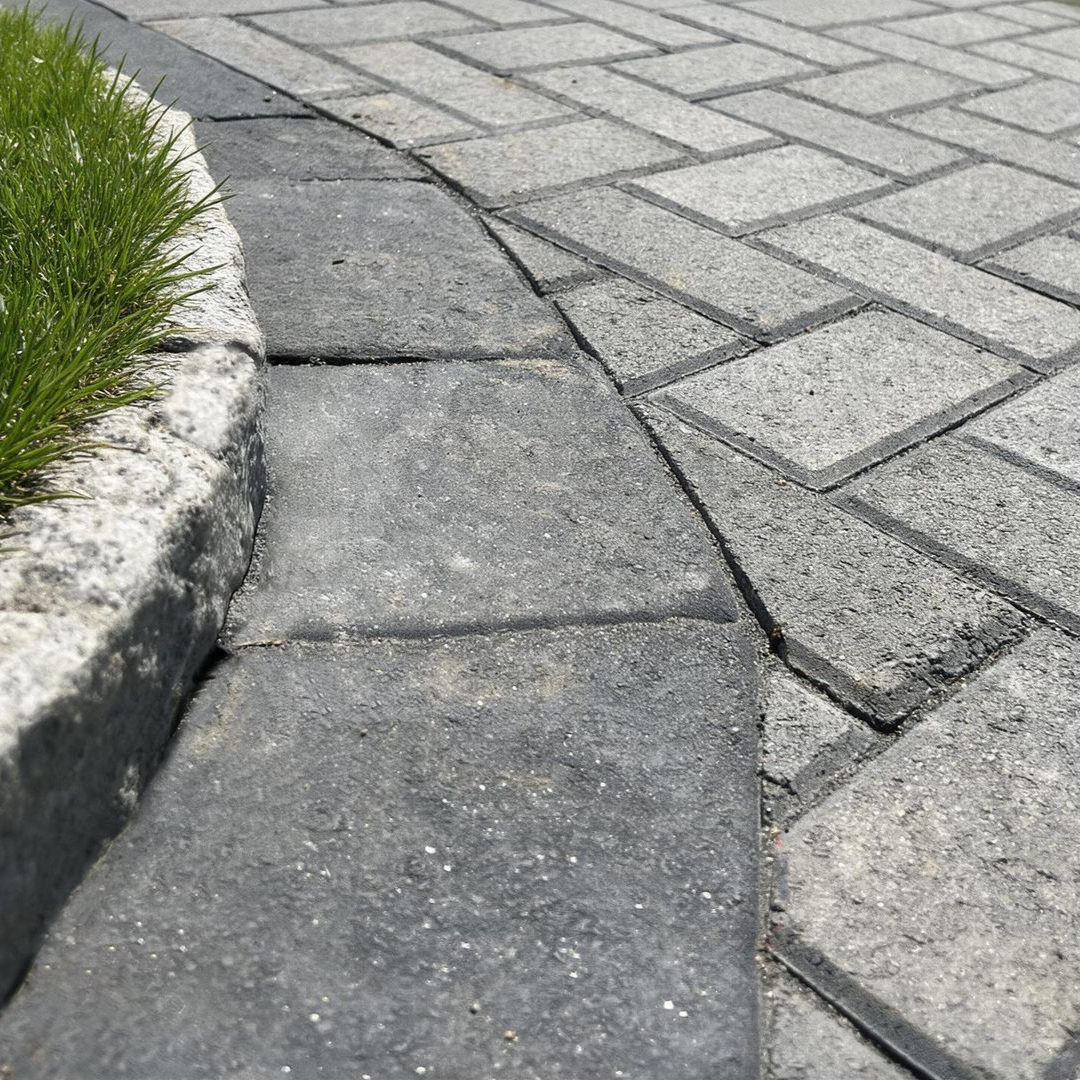
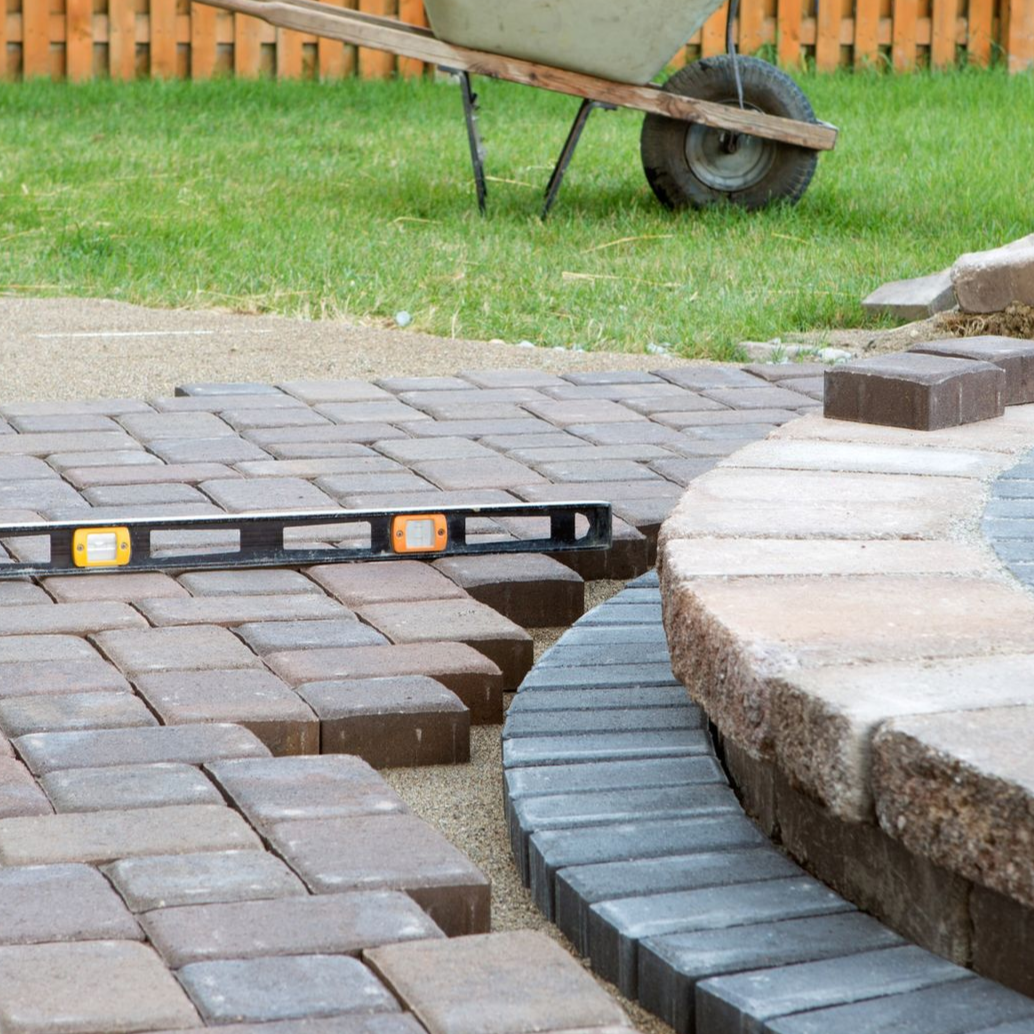
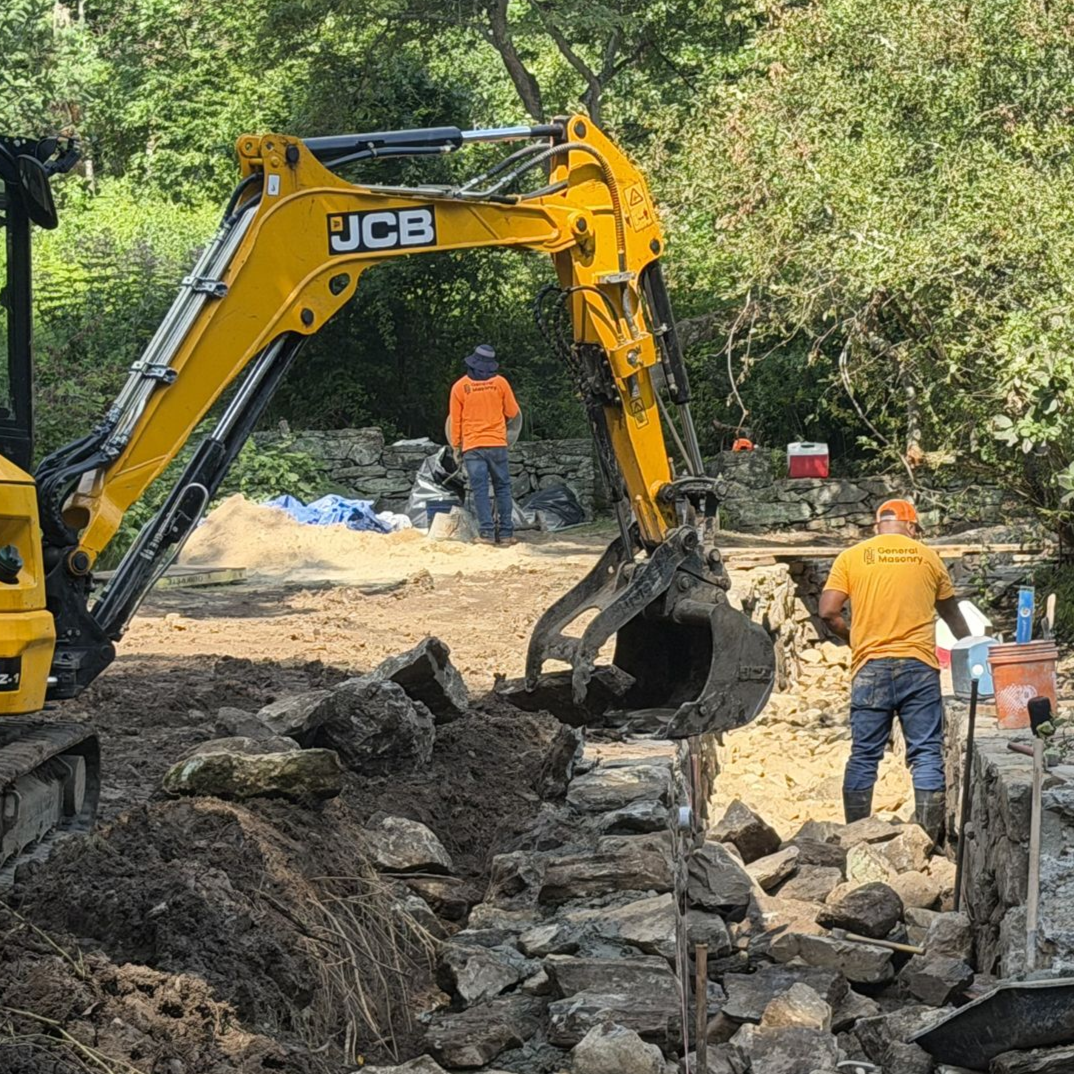
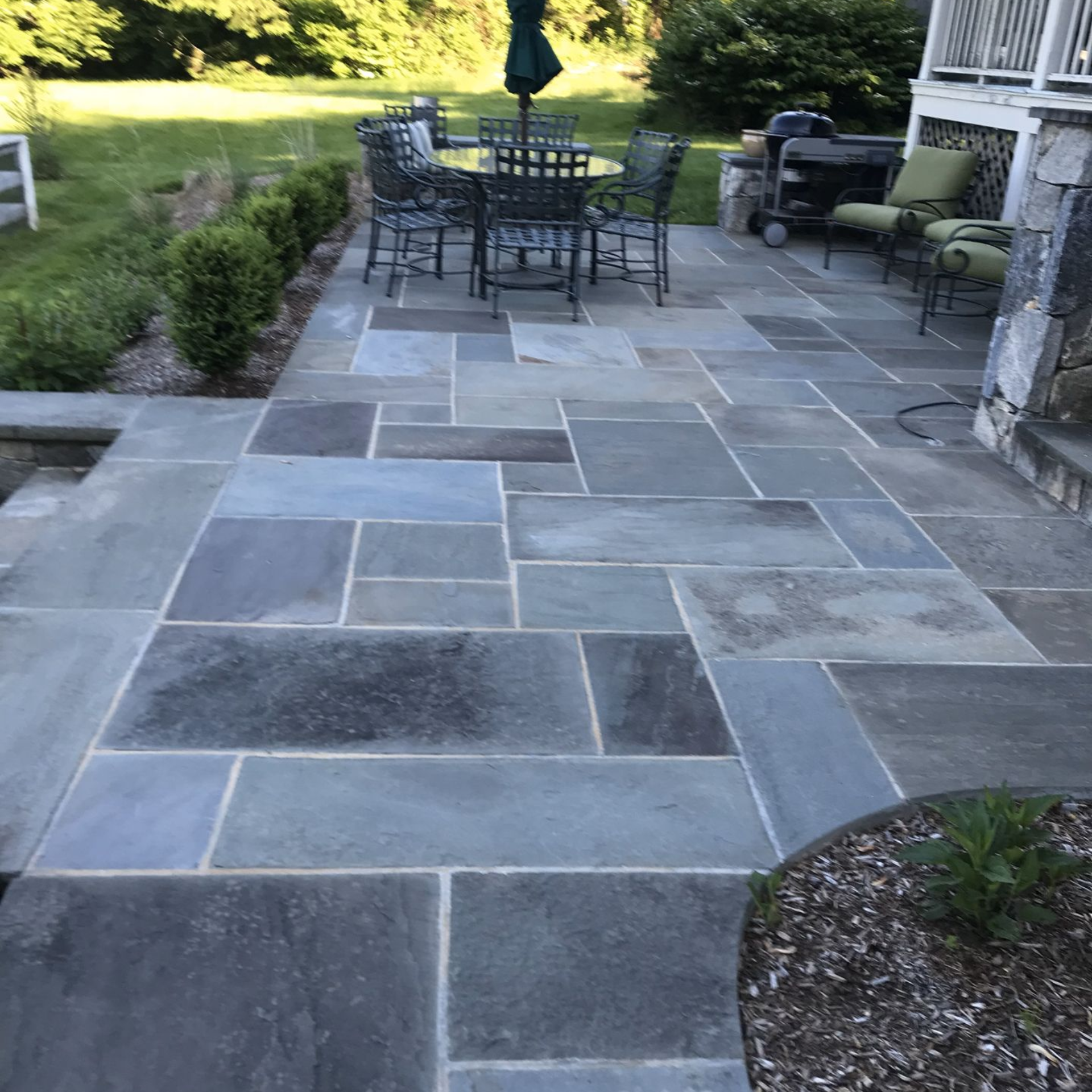
On a new build, a mason typically handles steps, stone veneer, patios, walls, and fireplaces. General Masonry does not pour new foundations, but we do repair old stone foundations. To see the outdoor work we build, visit our Paver Patio Installation and Retaining Walls pages.
Permits and Drainage: Getting the Details Right
Most decorative masonry does not need a permit. Retaining walls over a certain height do, and the rules vary by town. When a permit is required, General Masonry pulls it for you, as we did on a job in Middletown.
Drainage is the number one consideration on every install. Patios are pitched away from the foundation so water runs away from the house. Retaining walls are backfilled with gravel, with drain pipe wrapped in filter fabric and pointed away from the home. Learn more on our Excavation, Drainage & Site Prep page.
The most common mistake we see is cutting corners, such as skimping on joint sand. That shortcut leads to settling and can ruin a patio within a year. We cover more examples in Fixing Other Contractors' Mistakes.
Natural Stone vs. Manufactured Stone: Which Lasts Longer?
Kristian Totolaku of General Masonry prefers natural stone, such as bluestone and fieldstone, because it lasts longer. Cheap manufactured stone tends to chip, discolor, and shift. High-end manufactured stone is available, but it can cost as much as natural stone, so it is worth comparing both before you decide.
Frequently Asked Questions
When should a mason start on a new construction home?
A mason should start inside after framing, ideally around the electrical stage, and outside once the weather-resistant barrier is up. Because masonry is dirty finish work, it is best scheduled before the final finishes. Interior stonework can still go in after sheetrock if the walls are shielded, but it should not be saved for the very end of the project.
Does a mason pour the foundation for a new house?
No, General Masonry does not pour new foundations. On new construction, our work covers steps, stone veneer, patios, walls, and fireplaces. We do repair old stone foundations, which is common on older Connecticut homes and additions. If your build needs a new foundation, that work is handled by another trade before the masonry stage begins.
Do I need a permit for a retaining wall in Connecticut?
You usually need a permit for a retaining wall over a certain height, while most decorative masonry does not require one. The exact height and rules vary by town, so it is smart to check with your local building department. When a permit is needed, General Masonry pulls it as part of the job, as we did on a project in Middletown.
Why is drainage so important for patios and retaining walls?
Drainage is the number one consideration on every masonry install because water needs to move away from the house. Patios are pitched away from the foundation. Retaining walls are backfilled with gravel and include drain pipe wrapped in filter fabric, pointed away from the home. Getting drainage right during construction protects both the masonry and the house it surrounds.
Does natural stone last longer than manufactured stone?
Yes, in our experience natural stone such as bluestone and fieldstone lasts longer than manufactured stone. Cheap manufactured stone tends to chip, discolor, and shift over time. High-end manufactured stone is an option, but it can cost as much as natural stone, so the price difference may be smaller than many homeowners expect.
General Masonry is a family-owned masonry contractor serving Waterbury and western Connecticut. Whether you are a homeowner or a general contractor, we can help you plan the timing, permits, drainage, and materials for your project. Contact us today or call (203) 757-5590 to request a free estimate.